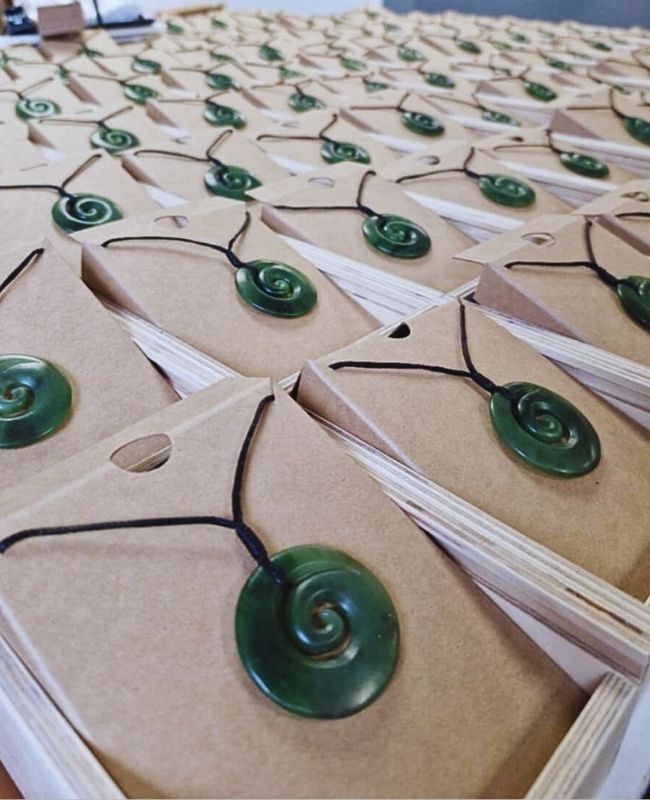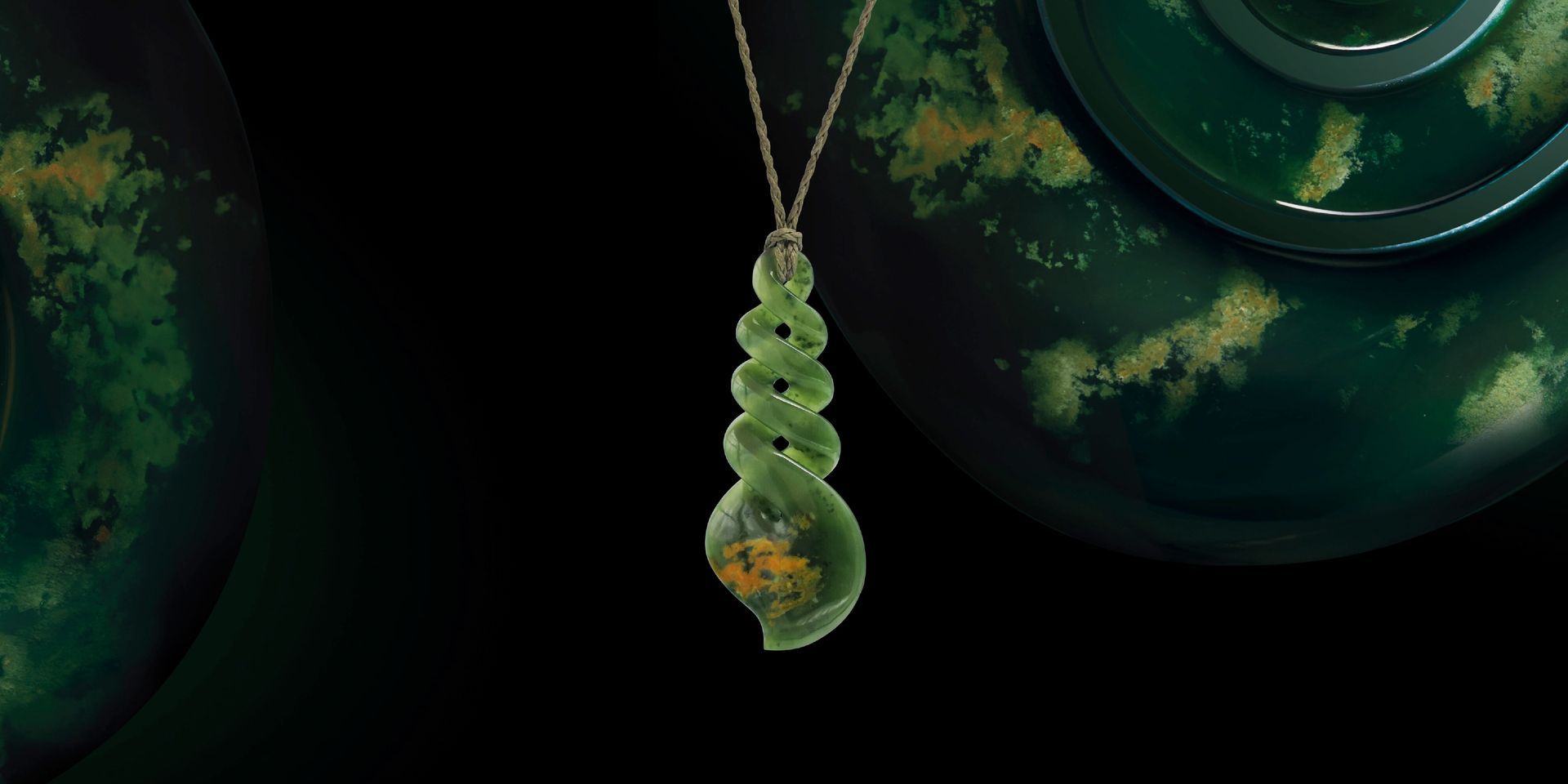
Is it OK to buy pounamu for yourself?
One of the most common questions we hear at Moko Pounamu from our customers is "Is it bad luck to buy pounamu for yourself?"
It is a question we are asked almost daily – in our showroom, at events and through our website. And it is a question that deserves a thoughtful answer.
The short answer is no, it is not bad luck to buy pounamu for yourself.
But let's explore why this question exists, why some people feel so strongly about it, and whether there might be a regional dimension to this belief.
Where Did the 'Bad Luck' Idea Come From?
Pounamu – also known as greenstone or New Zealand jade – is an umbrella term for several types of stone found in Aotearoa, the most prized of which is nephrite (jade).
Different varieties of jade are found in other parts of the world and carry their own cultural associations and blessings. But here in Aotearoa, pounamu has a unique and deeply significant relationship with Māori culture.
Historically, pounamu was not carved primarily for jewellery. Its value lay in its effectiveness as a tool – adzes, chisels, and weapons – and its use in ceremonial contexts.
Pounamu was hard, durable, and beautiful. It was traded across iwi boundaries, gifted as a sign of manaakitanga (hospitality), and passed down through generations as heirlooms.
Over time, these taonga (treasures) accumulated mana (prestige) as they were gifted, received, and regifted, carrying the stories and histories of the people who had held them before.
Because of this tradition of gifting, a modern misconception has grown: that pounamu must be given to you – that buying it for yourself somehow breaks an unspoken rule or invites bad fortune.
What Does Māori Tradition Actually Say?
In traditional Māori society, pounamu was highly prized, but there was no blanket prohibition on acquiring it for yourself. The stone was sourced, carved, and used by the people who needed it.
Prominent voices have spoken out on this. Lisa Tumahai, the kaiwhakahaere (representative) of Ngāi Tahu – the iwi with mana whenua over the South Island's pounamu – told the New York Times:
"We don't know where that condition came from, but it's certainly not something from my people. Since before the settlers came, we were trading pounamu and we were economically prosperous from it".
Carver and educator Timoti Moran agrees.
"Our tīpuna traded pounamu. It was traded as a commodity, and it was the best commodity. Great warriors, great ariki, great tohunga all had pounamu," he told RNZ.
He describes the 'bad luck' notion as a "Pākehā marketing method" used to encourage tourists to buy pounamu for relatives back home – a modern invention, not a traditional rule.
Why Do So Many People Still Believe This?
Here's where the conversation gets interesting. While the traditional basis for this rule is shaky at best, the modern belief is very real. In our experience at Moko Pounamu, we see roughly a 50/50 split on this question. About half our customers believe pounamu should only be gifted; the other half are comfortable choosing their own.
This modern belief has become deeply embedded in New Zealand culture, reinforced through word-of-mouth, tourism marketing, and well-meaning but misinformed advice. It has taken on a life of its own, separate from its historical origins.
Is There a North/South Island Divide?
This brings us to a fascinating theory. Pounamu is naturally occurring only in the South Island, specifically on the West Coast (Te Tai o Poutini).
In pre-European times, all pounamu in the North Island was acquired through trade, exchange, or gifting – it could not be found there.
Historical records show extensive trade networks between the North and South Islands. Pounamu was traded northward in exchange for other goods such as preserved birds, shark oil, and seafood.
This means that for North Island iwi, pounamu was something that had to be received from others – it could not simply be gathered from the land.
Some have suggested this historical reality may have given rise to the belief that pounamu must always be gifted, a custom that later spread throughout the country as a general principle. While this is not a hard-and-fast rule, it does offer a compelling explanation for why the belief may feel stronger in some parts of Aotearoa than others.
What About Those Who Feel Strongly?
At Moko Pounamu, we respect all perspectives. For those who hold a strong belief that pounamu should only be gifted, that belief is valid and meaningful. Pounamu is a taonga – a treasure – and the intentions and respect with which it is acquired and worn matter deeply.
If you are buying pounamu as a gift, you are continuing a tradition of manaakitanga (hospitality) and connection that stretches back centuries. If you are choosing it for yourself, you are making a deliberate, personal decision – one that is equally valid.
Why Buying Pounamu for Yourself Is Absolutely Okay
At Moko Pounamu, we believe that choosing a piece of pounamu for yourself can be just as special – and just as valid – as being gifted one.
Here is why:
1. Personal Connection
When you choose your own pounamu, you are making a deliberate, personal decision. You are selecting a stone that speaks to you – one that resonates with your own story, your own journey, and your own values. That act of choice is powerful. It is a statement of self‑awareness and self‑care.
2. Honouring the Culture
Buying a piece of pounamu for yourself is about honouring the culture and traditions associated with this special stone – not breaking any rules. When you purchase from a reputable carver who sources stone ethically and respects Māori protocols, you are supporting the continuation of a living tradition.
3. A Marker of Milestones
Many people choose to buy pounamu for themselves to mark a significant life event – a graduation, a new job, a personal achievement, or a time of healing. It becomes a taonga that carries the memory of that moment, forever worn close to the heart.
4. The Mana Is in the Meaning
A piece of pounamu does not derive its mana solely from how it was acquired. Its mana comes from the meaning it holds for the wearer, the care with which it is worn, and the stories it carries forward. A self‑purchased piece, worn with intention and respect, will grow in significance over time – just as an inherited piece does.
So, What Should You Look For?
Now that we have cleared that up, the fun part begins.
Choosing your own pounamu is a deeply personal experience. Here is what to consider:
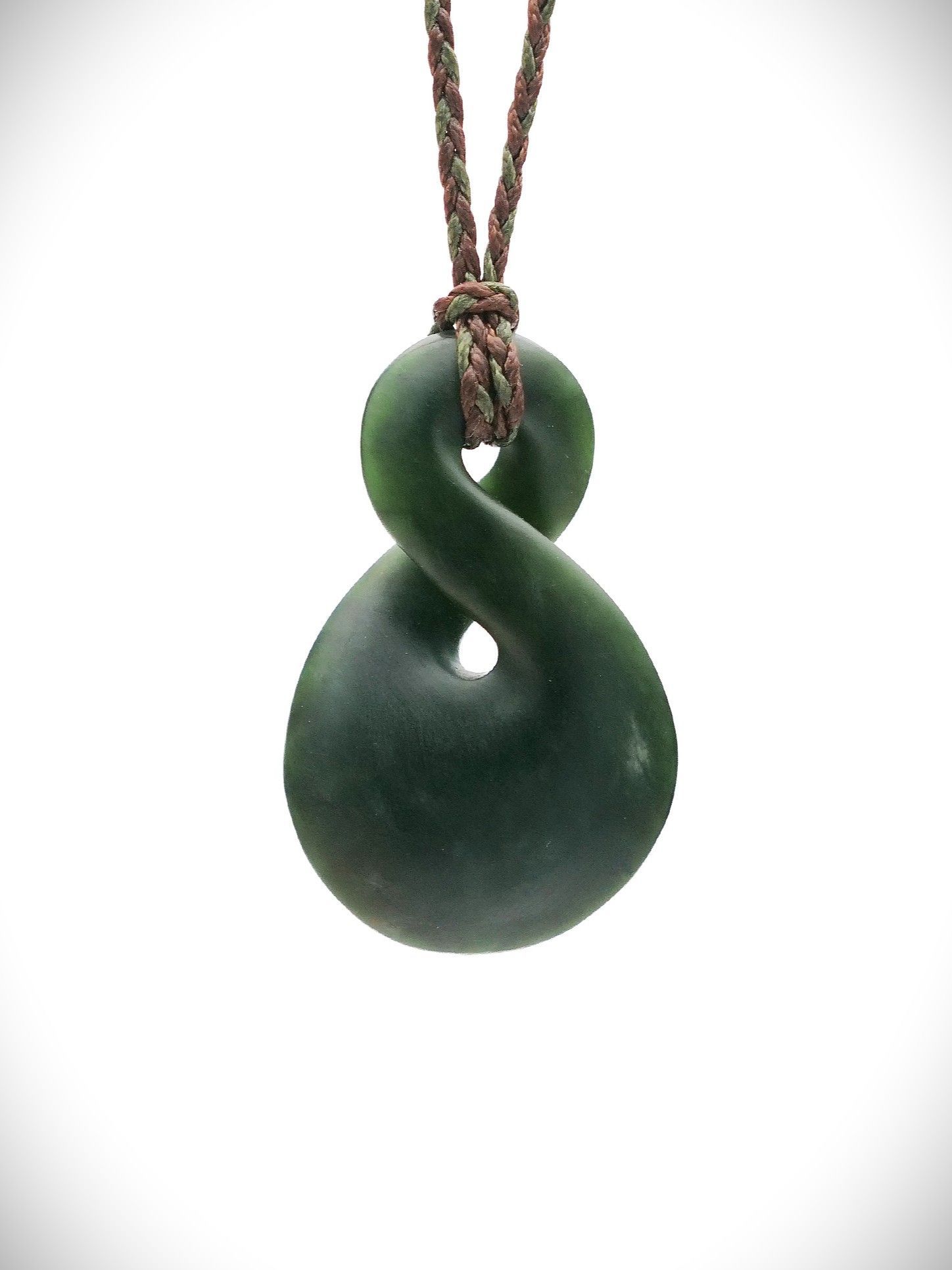
- Colours – What draws you in? The deep, rich greens of kawakawa? The translucent glow of kahurangi? The warm, earthy tones of inanga? Each colour has its own character and energy.
- Textures – Do you prefer a high‑polished, glass‑like finish, or do you connect more with the raw, unpolished feel of the stone in its natural state?
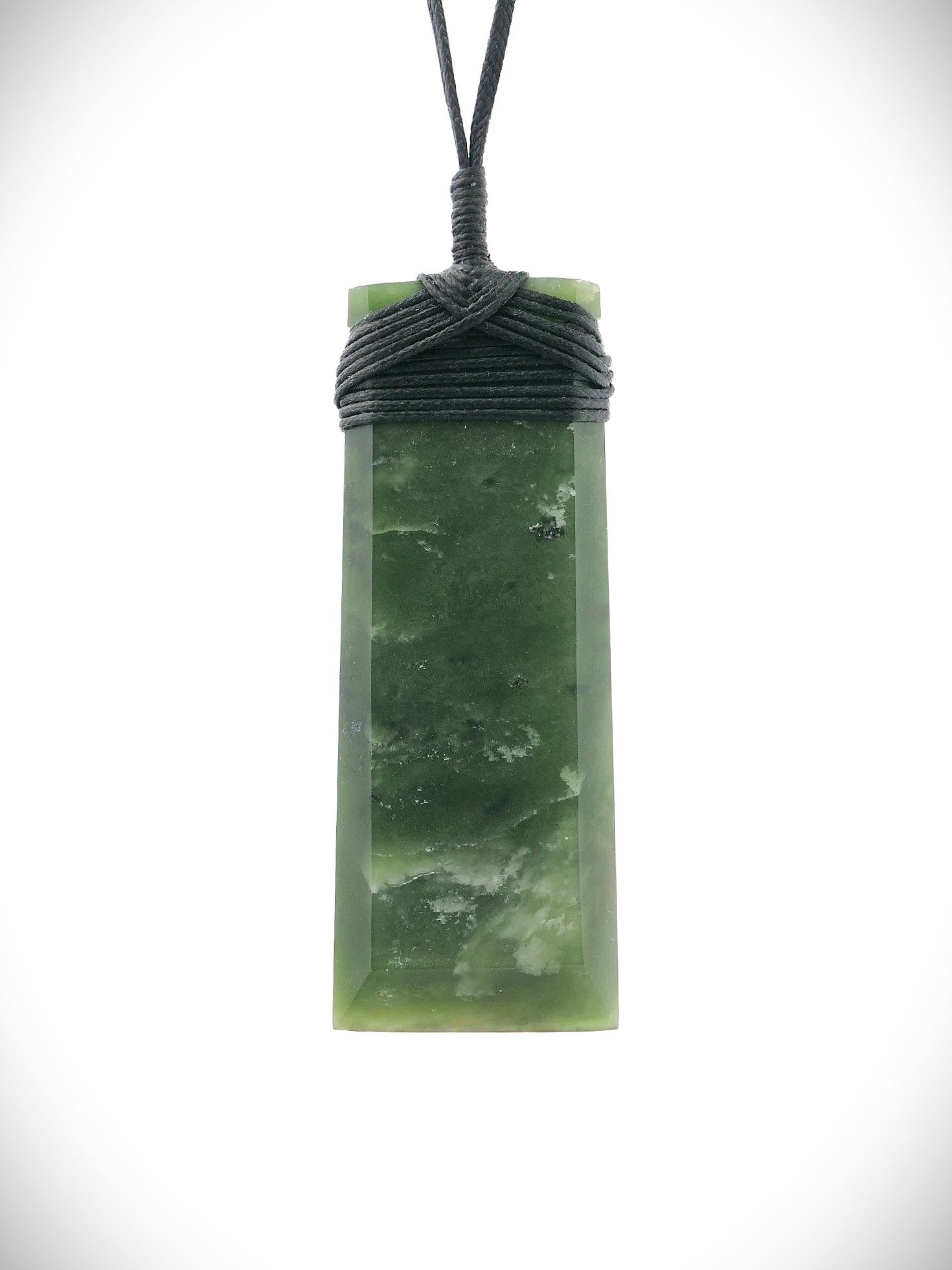
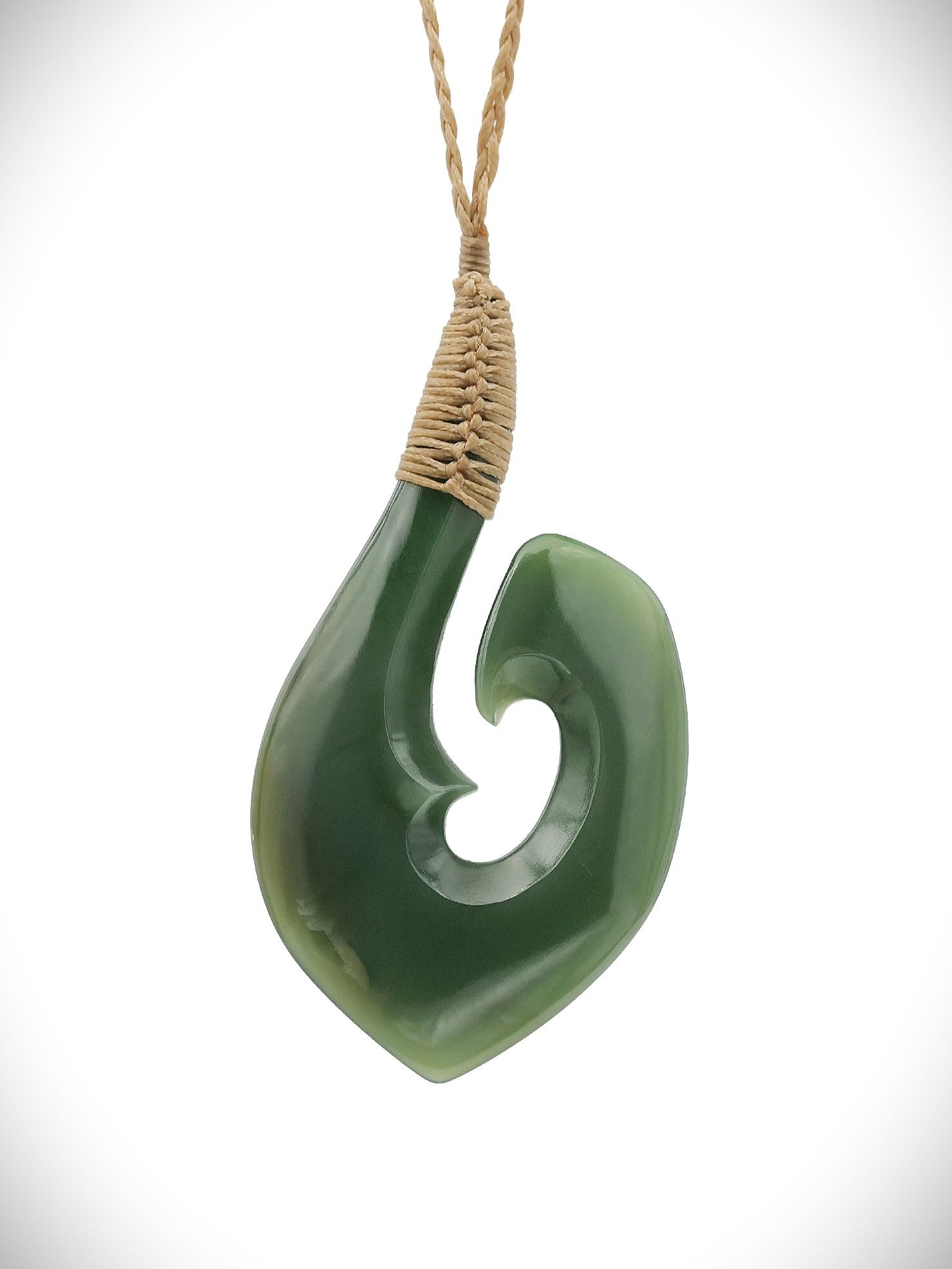
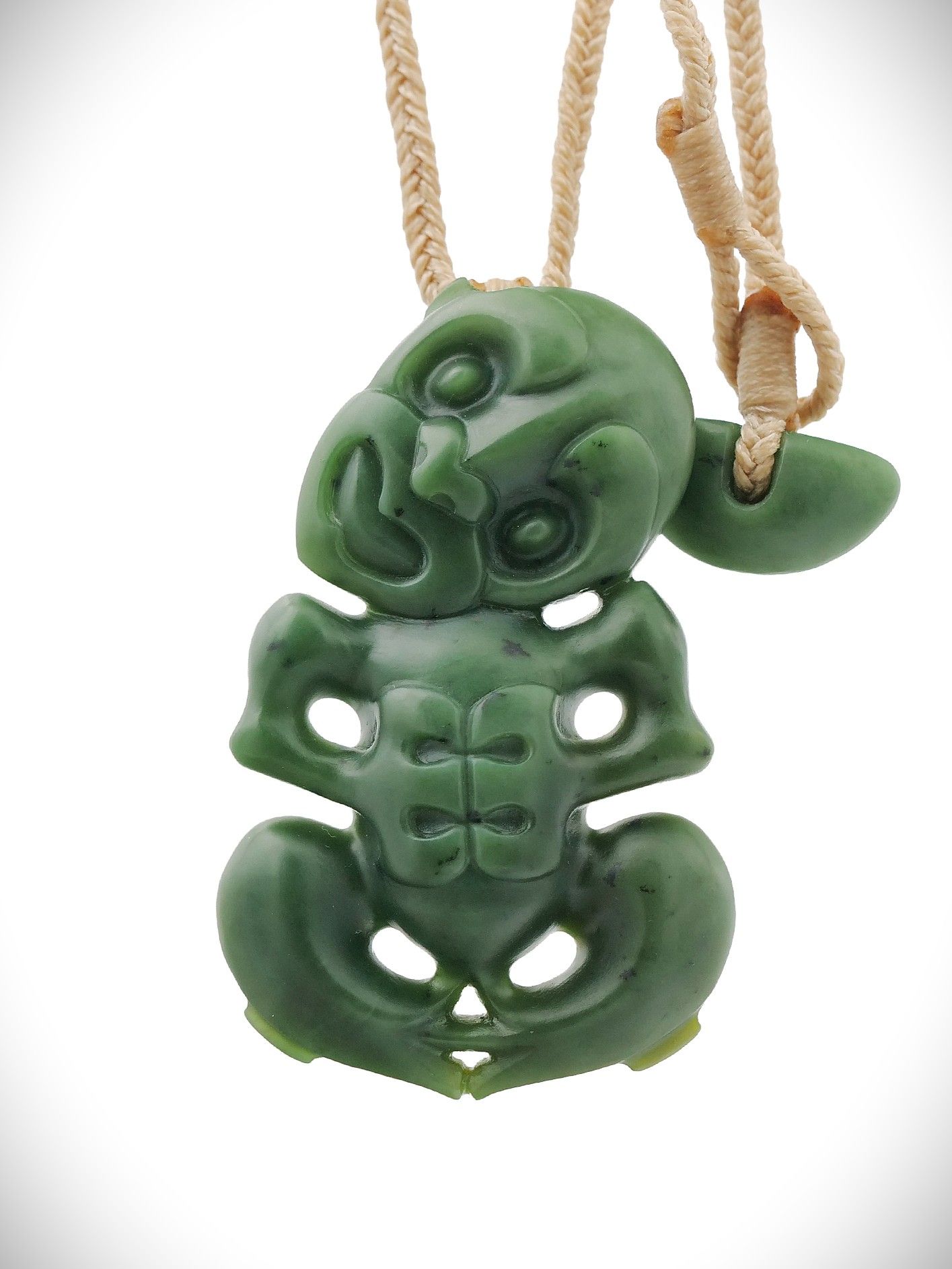
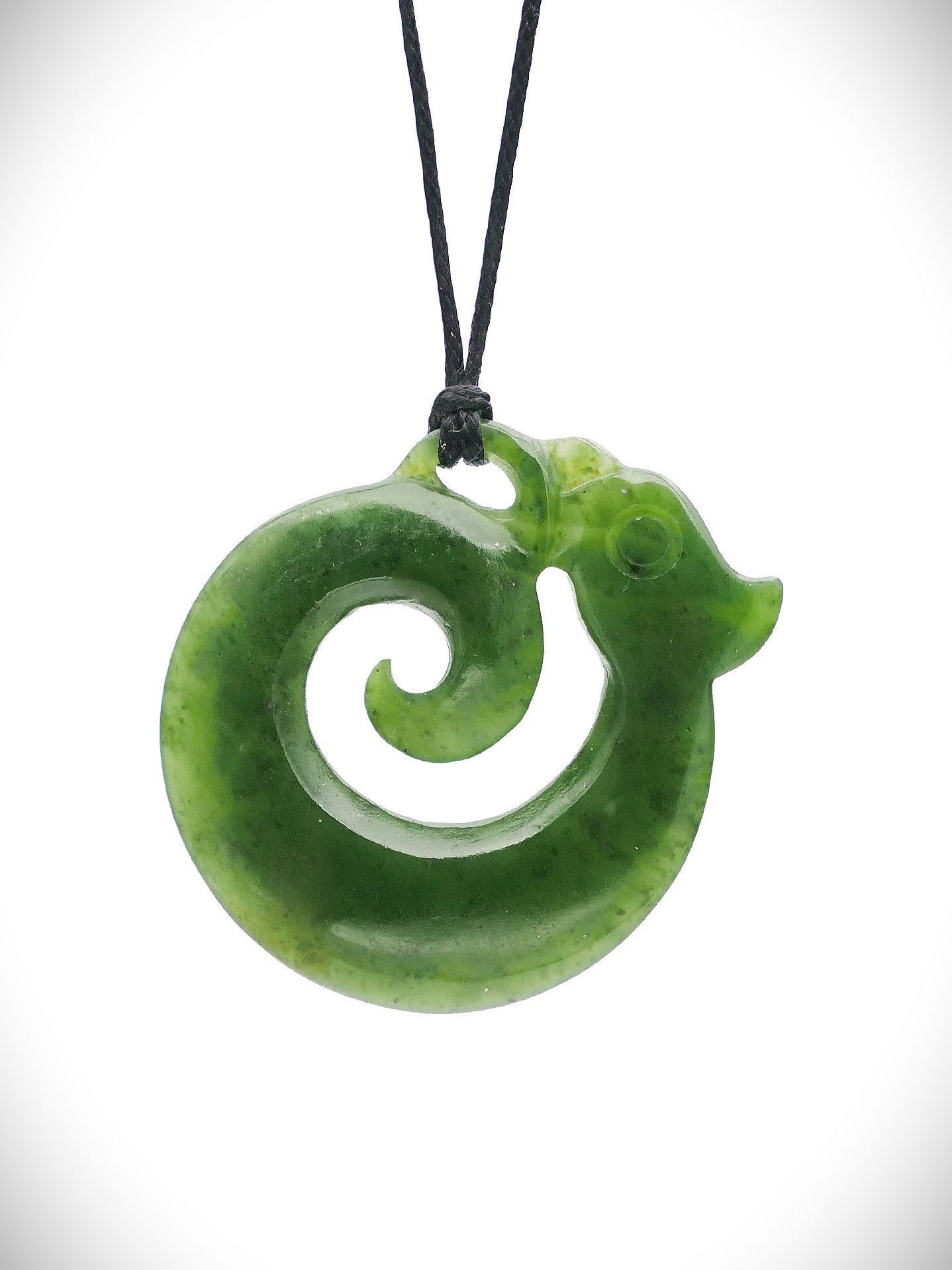
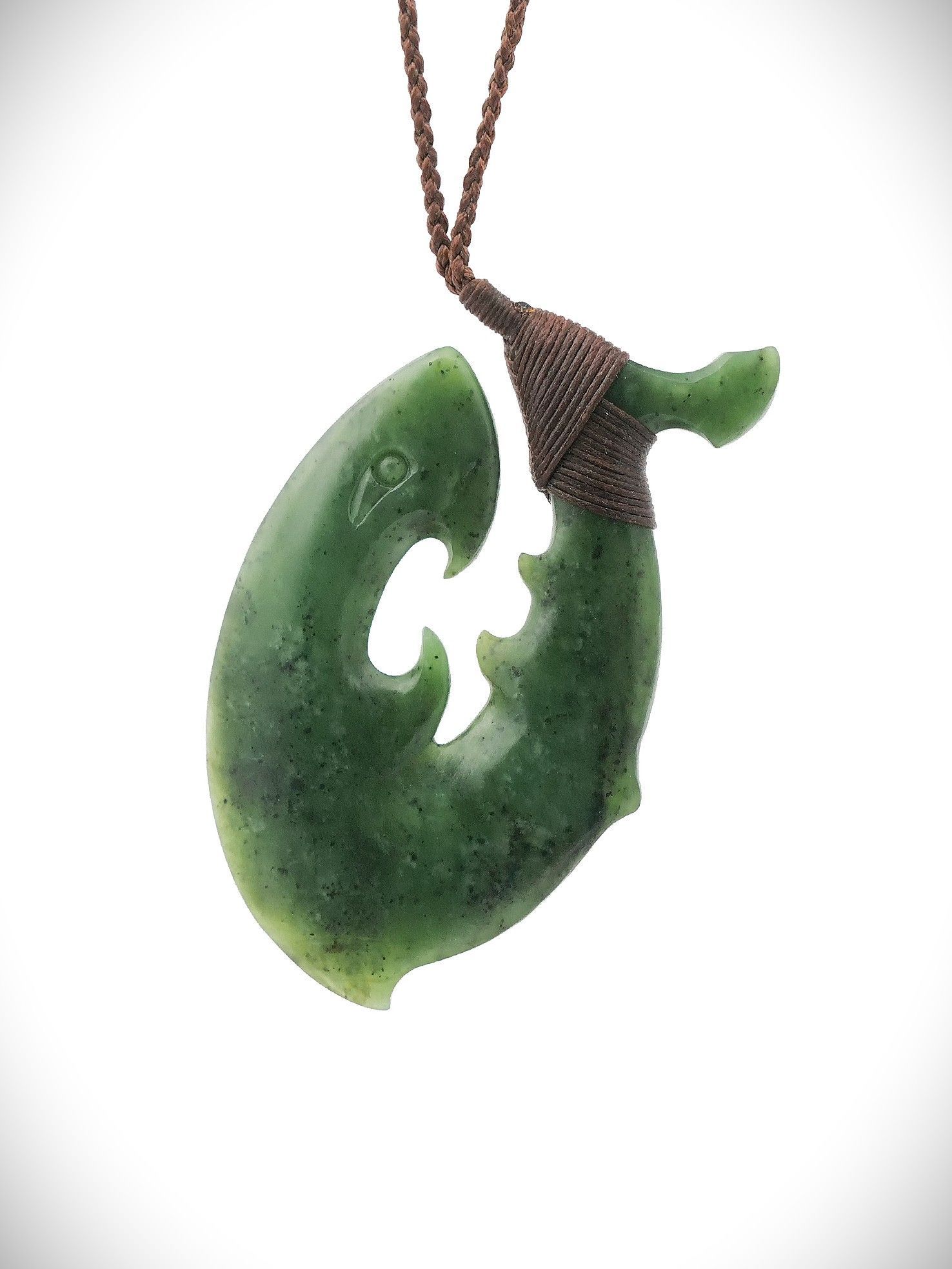
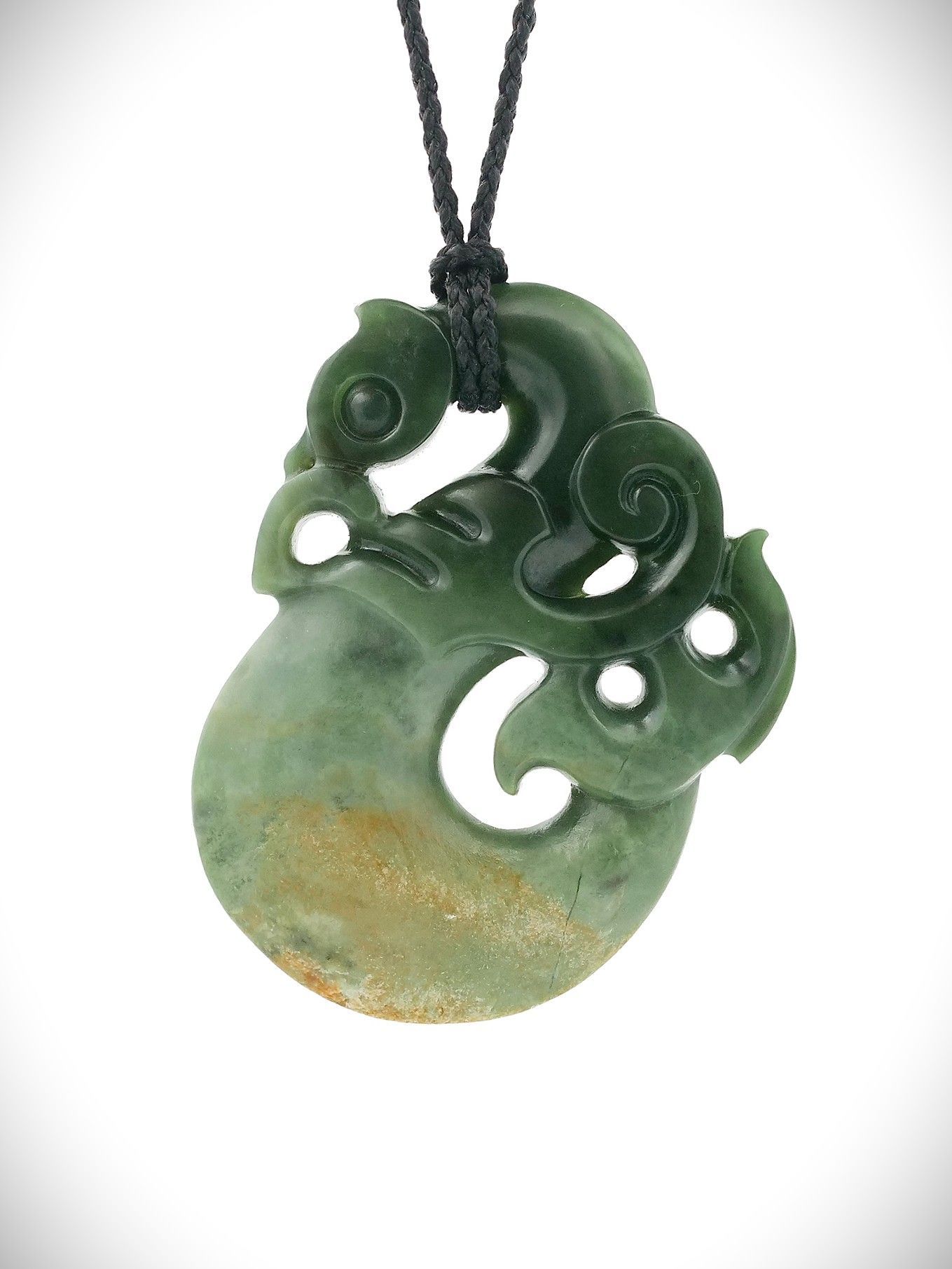
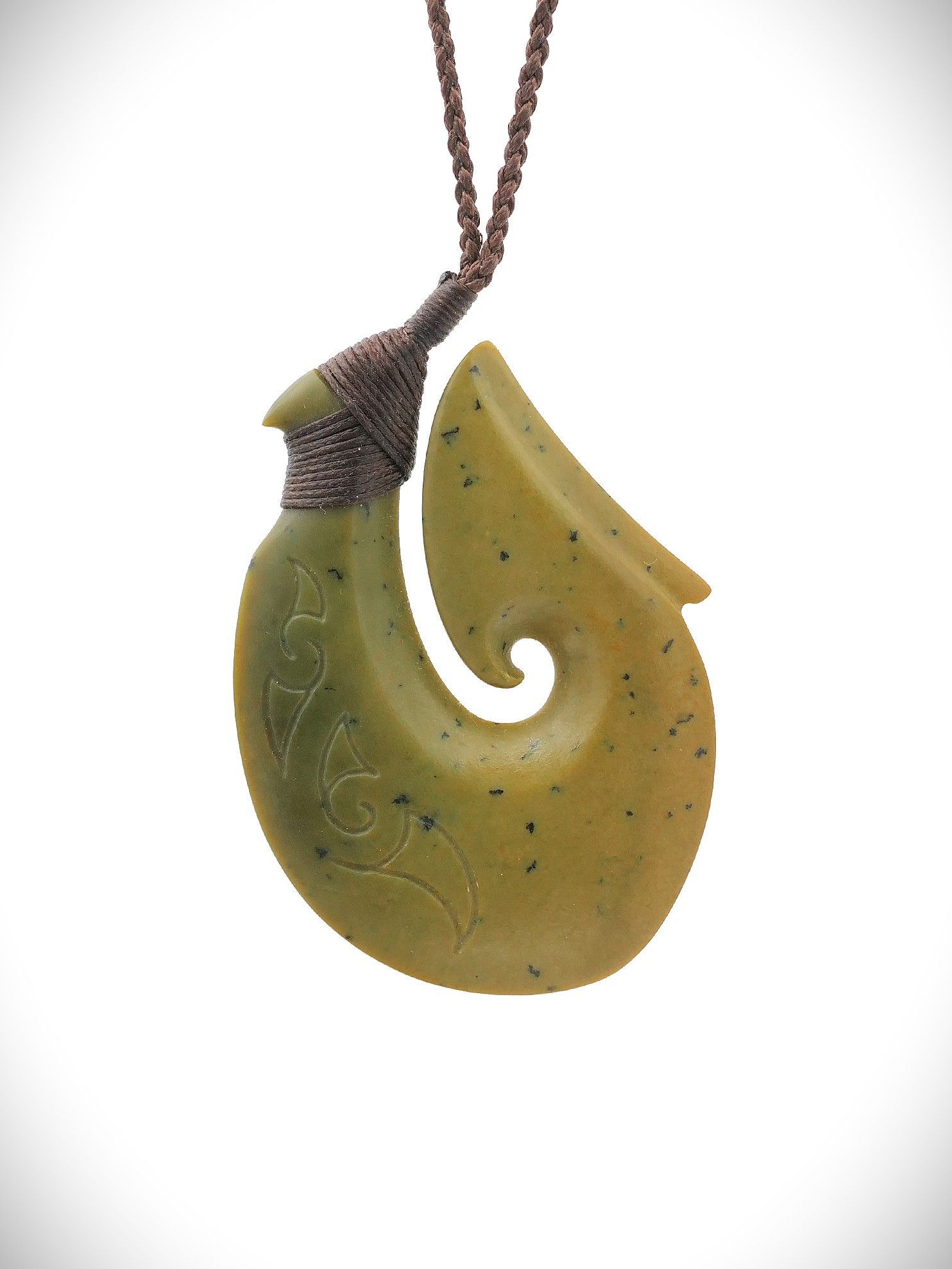
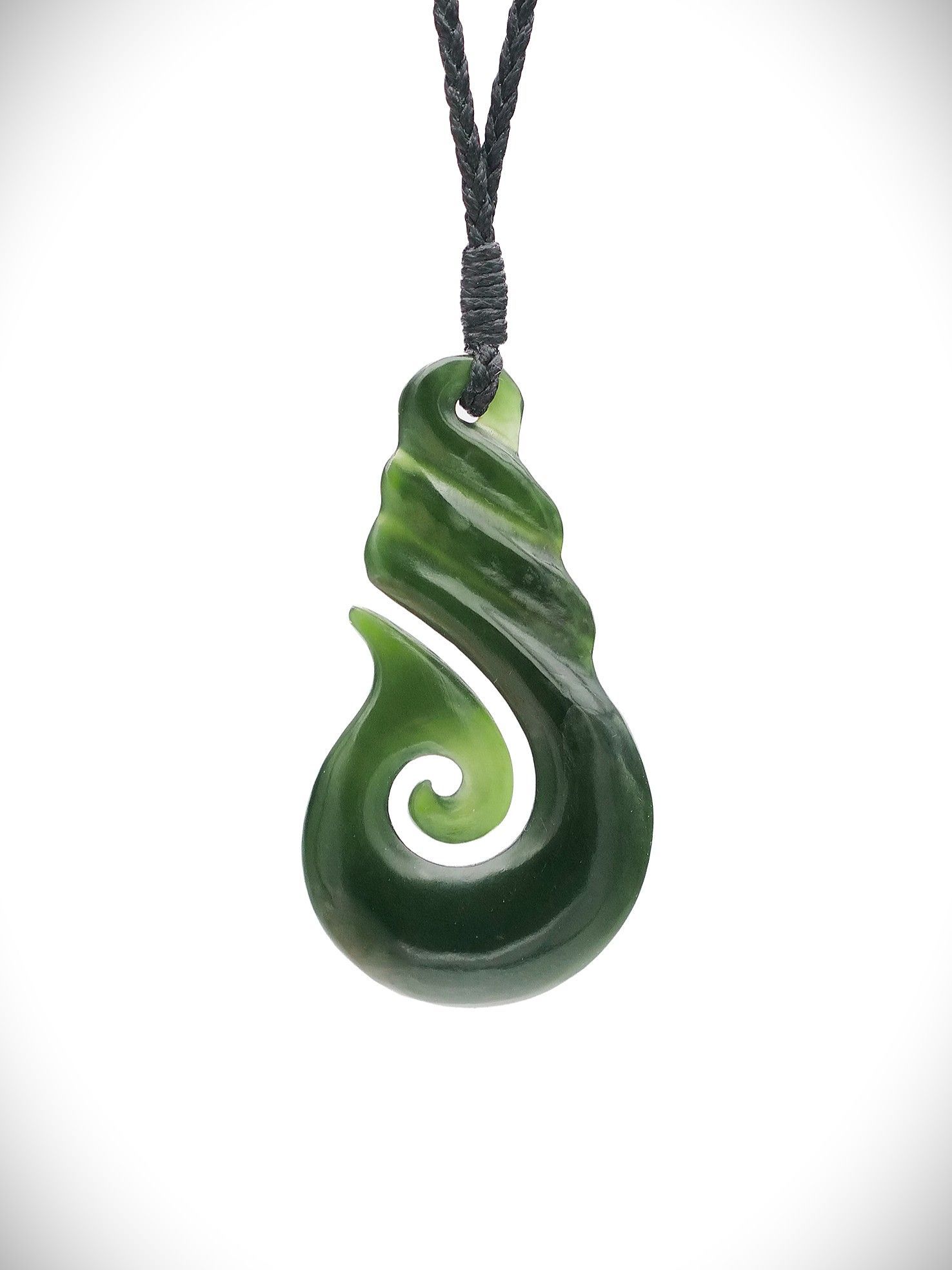
- Shapes and Meanings – What symbols resonate with you? A Hei Toki for strength and courage? A Koru pendant for new beginnings and growth? A Hei Matau for safe passage and prosperity? A Manaia guardian pendant for spiritual protection?
- Size and Wearability – Are you looking for a bold statement piece or something subtle and everyday?
What we are saying is this: choose something that means something to you. Because then your piece of pounamu is destined to become as special as you determine it to be.
A Final Thought
Pounamu is not a talisman that brings luck – it is a taonga that carries meaning. Its power lies not in how it came to you, but in what it represents to you. Whether it was gifted by a loved one or chosen by your own hand, what matters most is the respect, care, and intention you bring to wearing it.
And if you are someone who feels strongly that pounamu should only be gifted – that's okay too. We respect that belief, and we are here to help you find the perfect piece to give to someone special.
Whatever path you choose, the most important relationship you can have with your pounamu is the one you build with it, day by day.
So, if you have been waiting for permission to buy that piece of pounamu you have had your eye on – consider this your sign.
Choose it. Wear it. Treasure it.
Moko Pounamu Knowledge Library