Pounamu Shapes and Meanings
This page celebrates the stories held within traditional Māori carving.
Each pounamu shape carries centuries of meaning, connecting the wearer to the values, stories, and natural world of Aotearoa.
We hope this guide helps you understand and appreciate the deeper significance of your taonga (treasure).
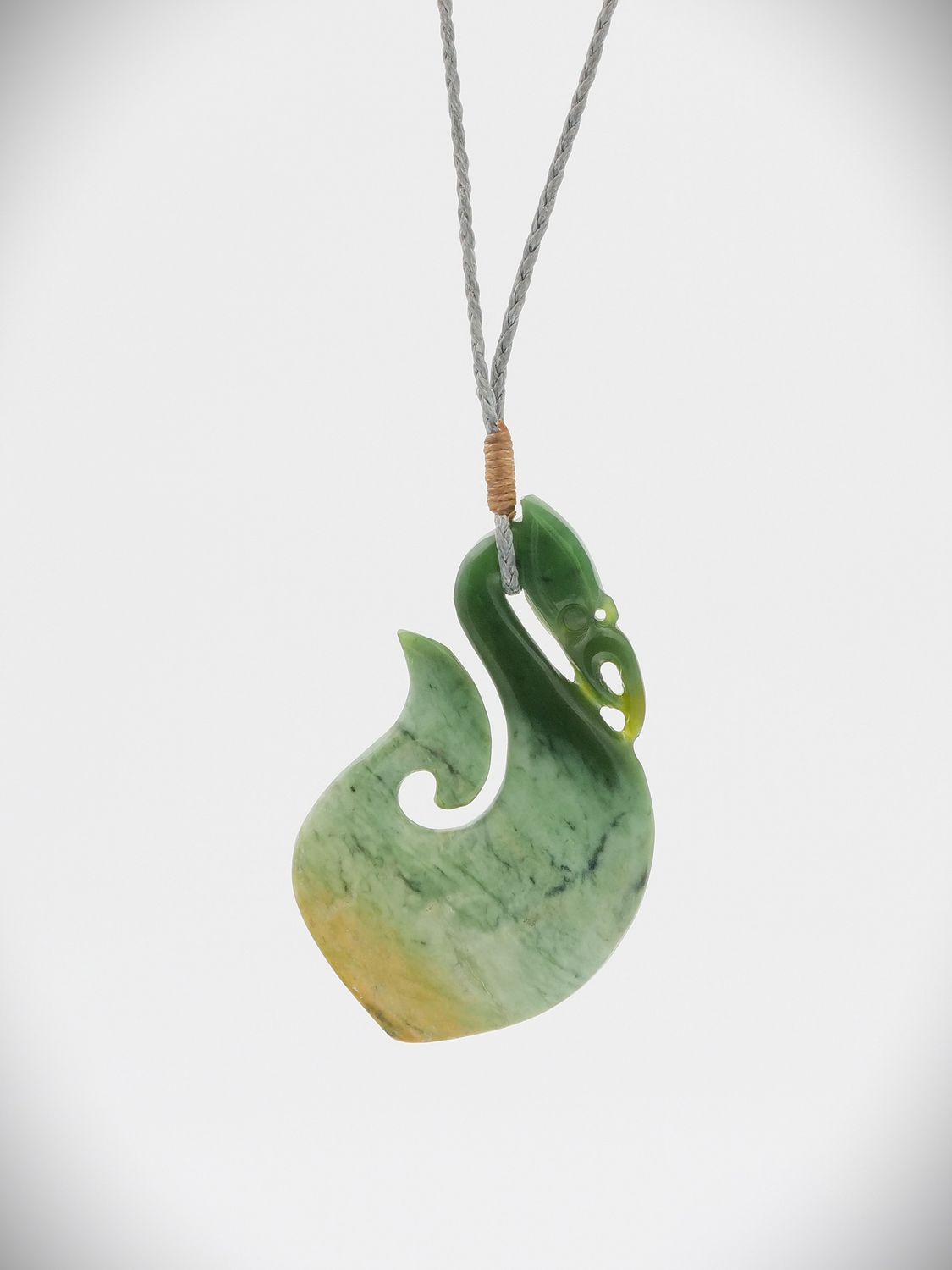
Manaia
The Manaia is a guardian spirit and messenger in Māori tradition. Often depicted with the head of a bird, the body of a human, and the tail of a fish, it represents the balance between sky, earth, and sea. It acts as a kaitiaki (protector), watching over the wearer and serving as a link between the physical and spiritual worlds.
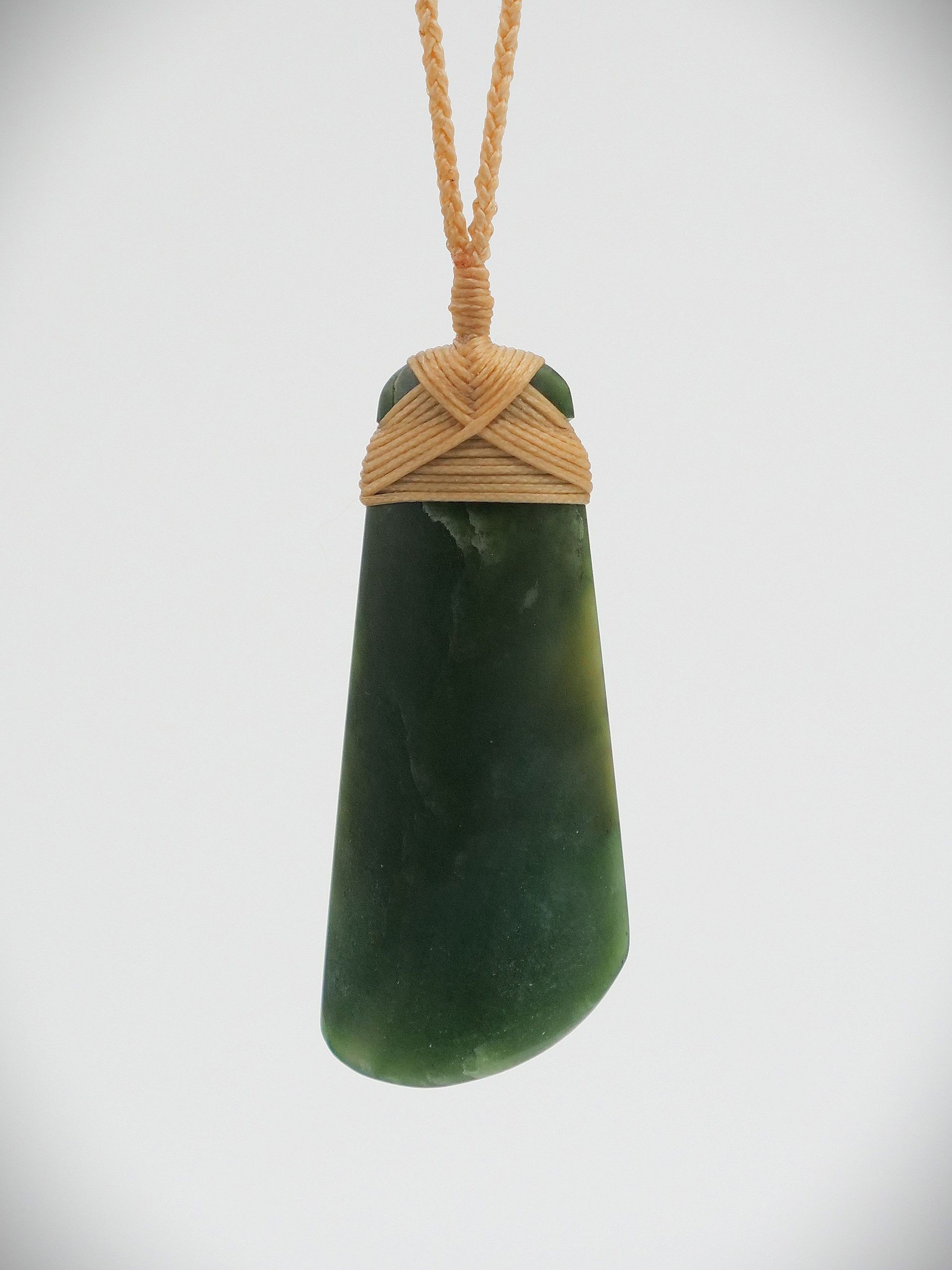
Toki (Adze)
The Toki was an essential tool, shaped from stone or pounamu and used for carving, building and survival. Over time, it came to symbolise strength, determination, and authority. Today, it is worn as a symbol of mana (prestige), leadership, control, and honour - a reminder of the resilience and focus needed to shape one's own path.
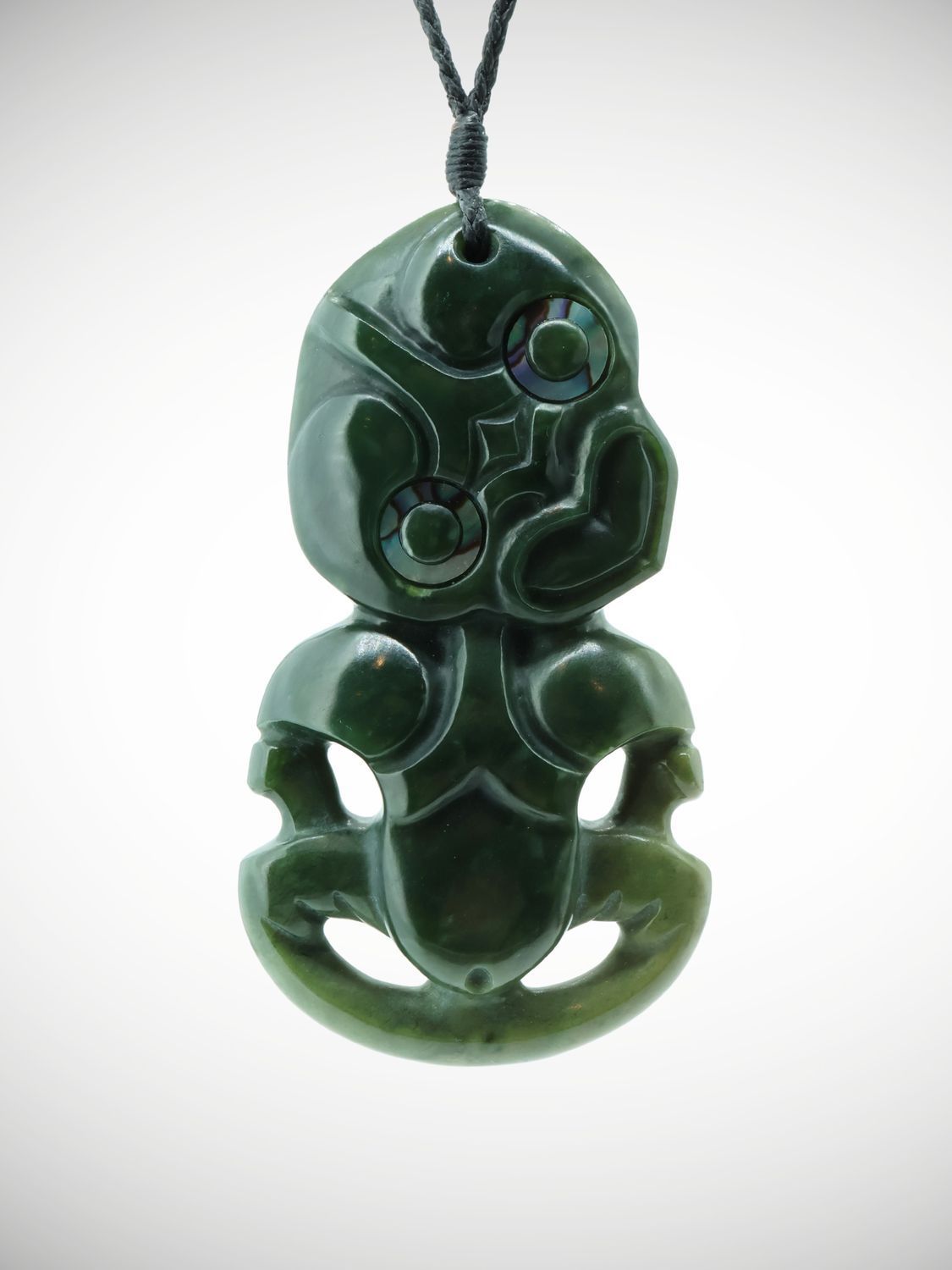
Hei Tiki
Hei Tiki - The exact meaning behind the stylized design is deeply rooted in traditional Māori pakiwaitara (stories) and has been interpreted in a few different ways. In Māori legend, Tiki was the first mortal man created by Tāne (the god of the forest), making the carving a symbol of humankind's origins and lineage. Another widely held belief is that the figure represents Hine-te-iwaiwa, the moon goddess and patroness of fertility and childbirth. Because of its shape, many also interpret the design as a stylization of the human embryo. The distinct carved head tilted to the side is believed to symbolize a newborn child or spiritual wisdom. Additionally, the figures frequently display a blend of both male (Tāne) and female (Wāhine) features, representing the balance of life's energies.
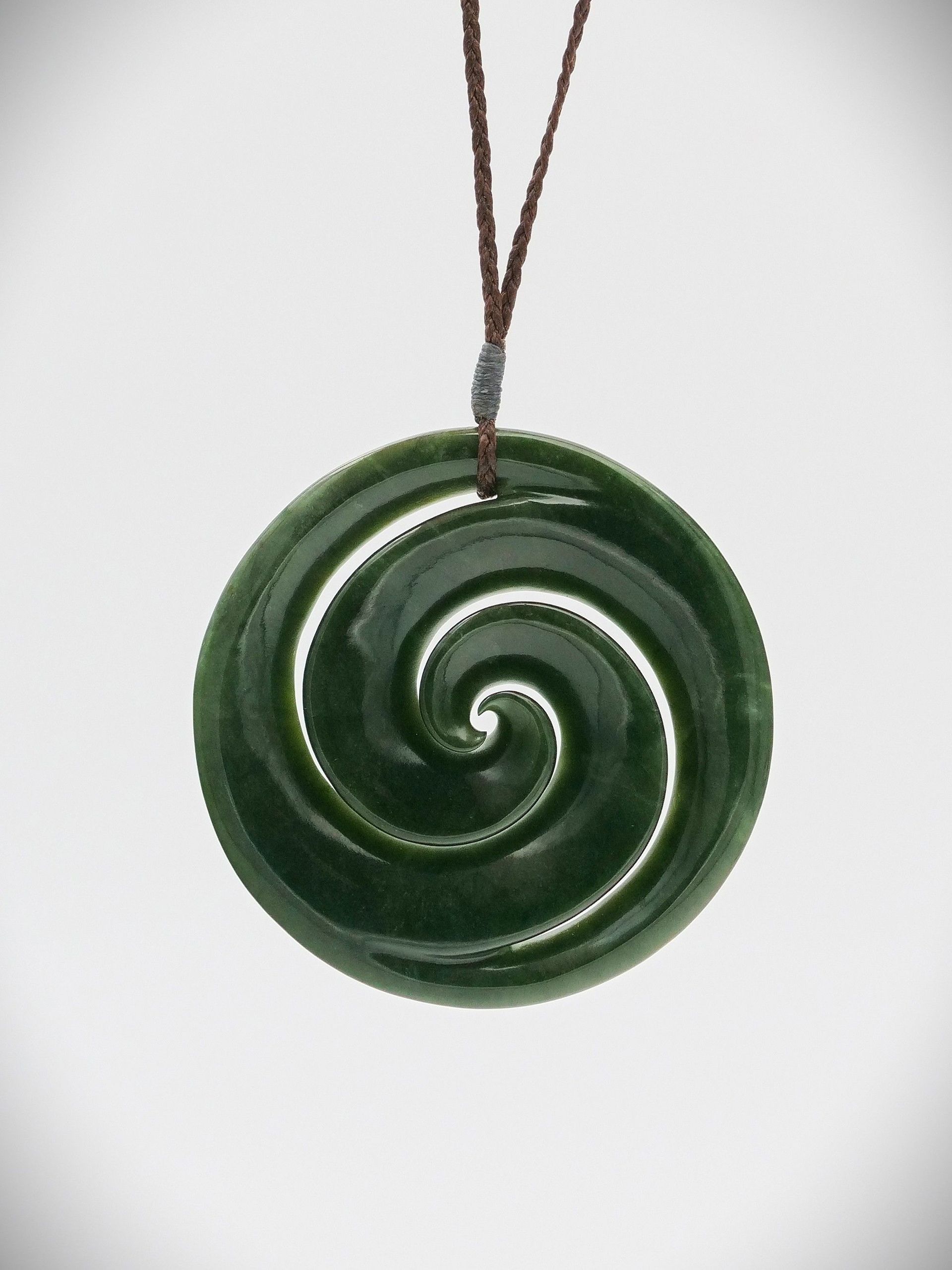
Koru (Spiral)
The Koru takes its form from the unfurling silver fern frond. Its spiral shape represents new life, growth, and renewal. The inward coil suggests a return to one's origins, while the outward movement reflects peace, hope, and personal growth. It is a symbol of harmony, perpetual movement, and the ever-unfolding journey of life.
Hei Matau (Fish Hook)
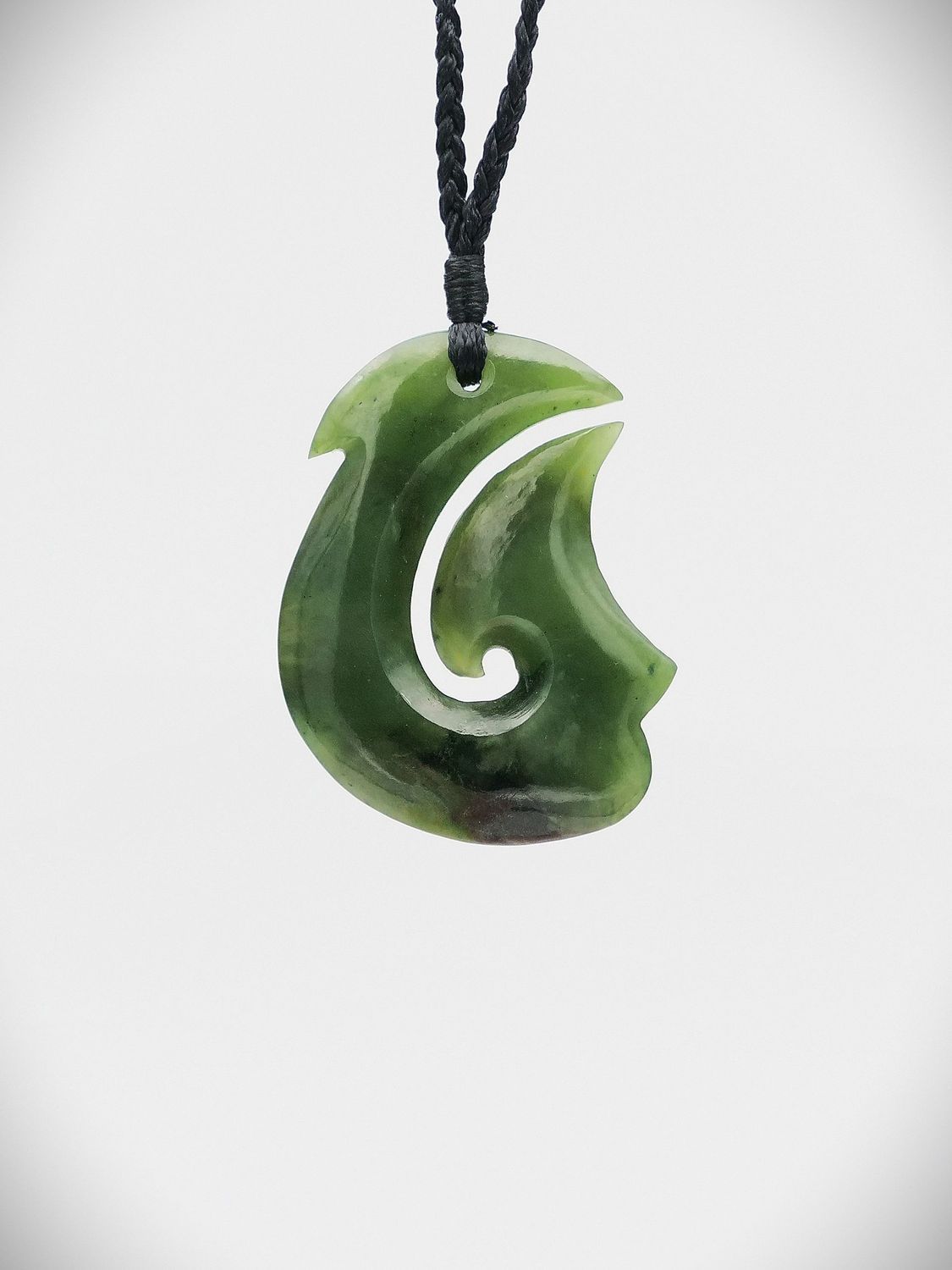
For generations of Māori, the ocean was a primary food source, making a finely crafted fish hook a prized possession. The Hei Matau represents the deep connection to Tangaroa, god of the sea. It symbolises prosperity, abundance, strength, and safe journey over water, honouring the relationship with the ocean and its life.
Roimata (Drop / Teardrop)
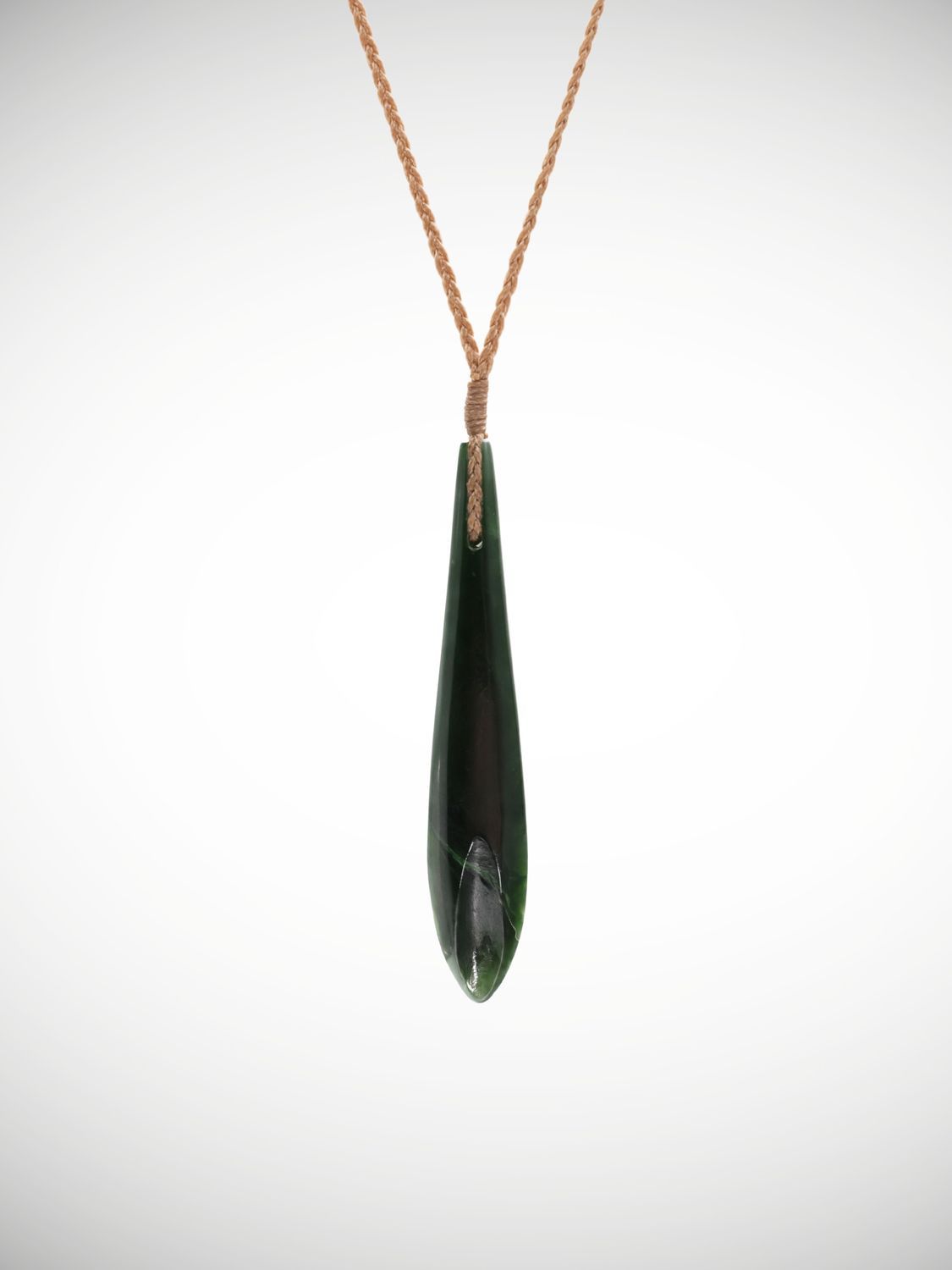
Roimata/Teardrop - Named for their teardrop shape, meaning tears of sadness or grief, and are widely regarded as touchstones in healing and meditation. It is often called the comfort stone and given to show sympathy, shared emotion and that they, the receiver, is not alone in their grief. The drop pendants are also believed to represent a connection to the whenua (the land) Aotearoa (New Zealand).
Pikorua (Twist)
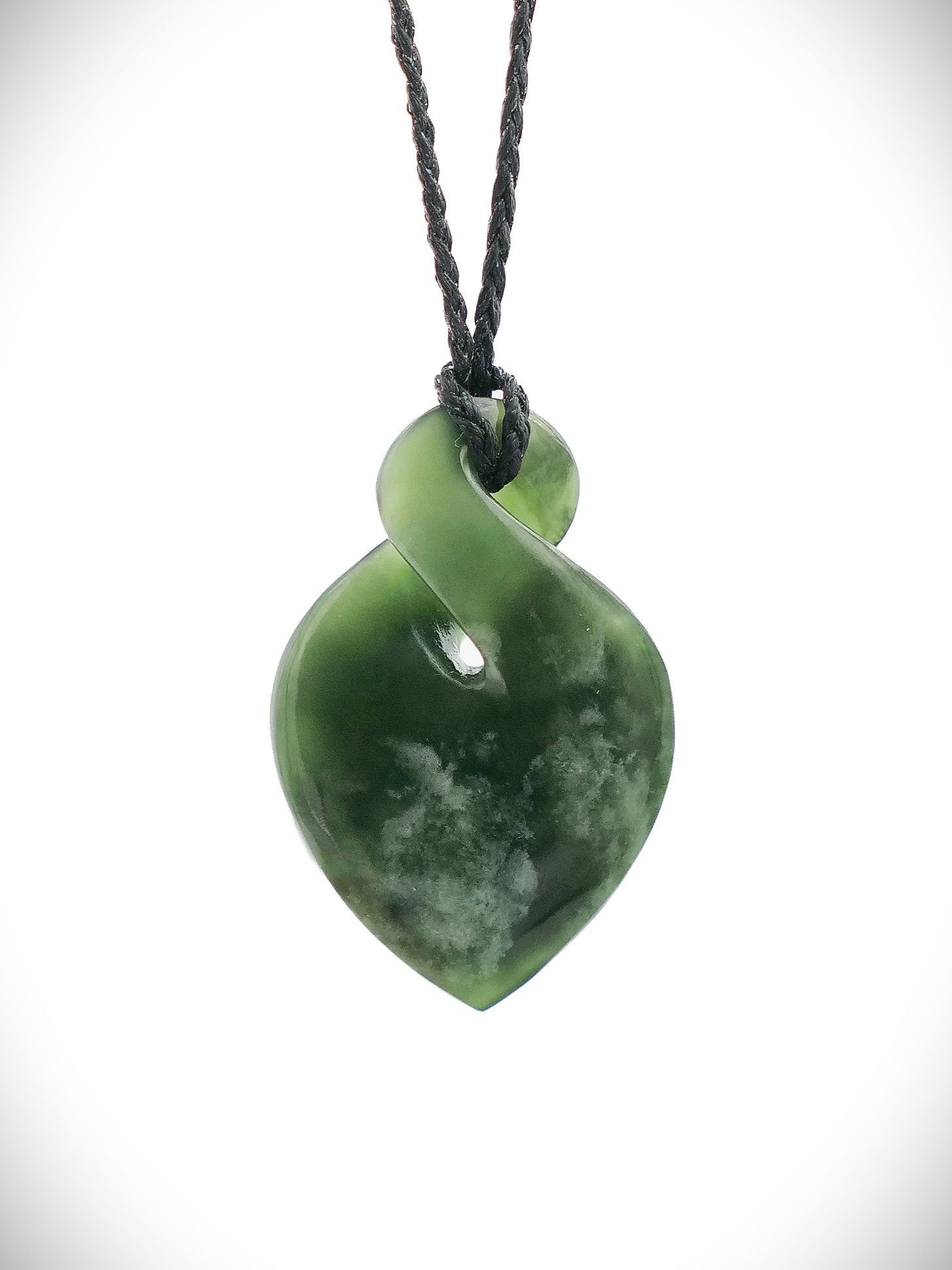
The Pikorua design, with its single or multiple twists, speaks of eternal connection. The single twist symbolises the joining of two lives into one shared journey, representing friendship, loyalty, and unity. Double or triple twists represent the unbreakable bonds between peoples, cultures, and generations - paths that may part but always return together.
Kōuma (Breastplate)
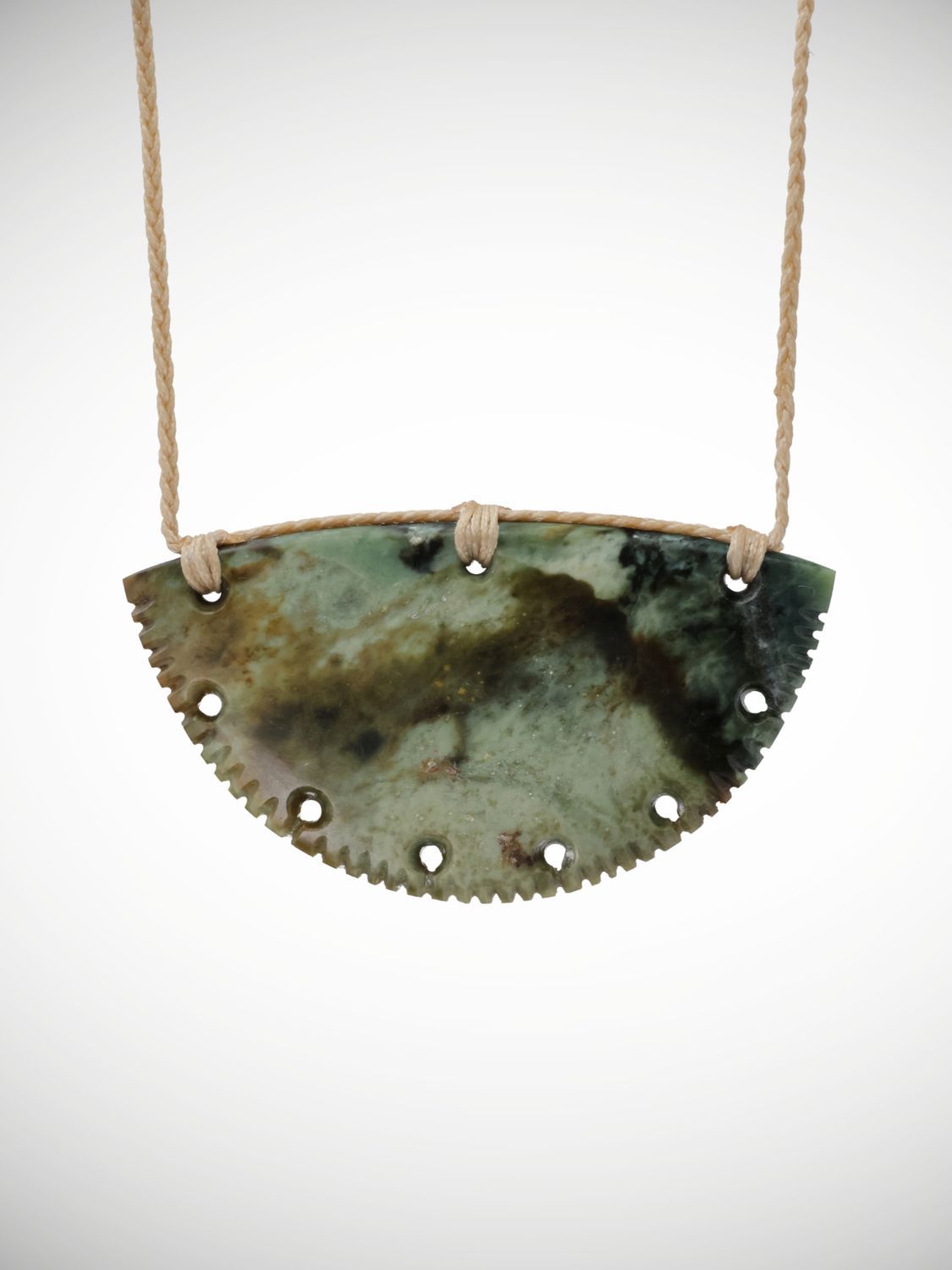
The Kōuma, or breastplate, was traditionally worn over the chest as a symbol of mana and protection. Carved from pounamu, bone, or shell, it represented strength, authority, and connection to the ancestors. It embodies courage, leadership, and the spiritual guardianship of the wearer.
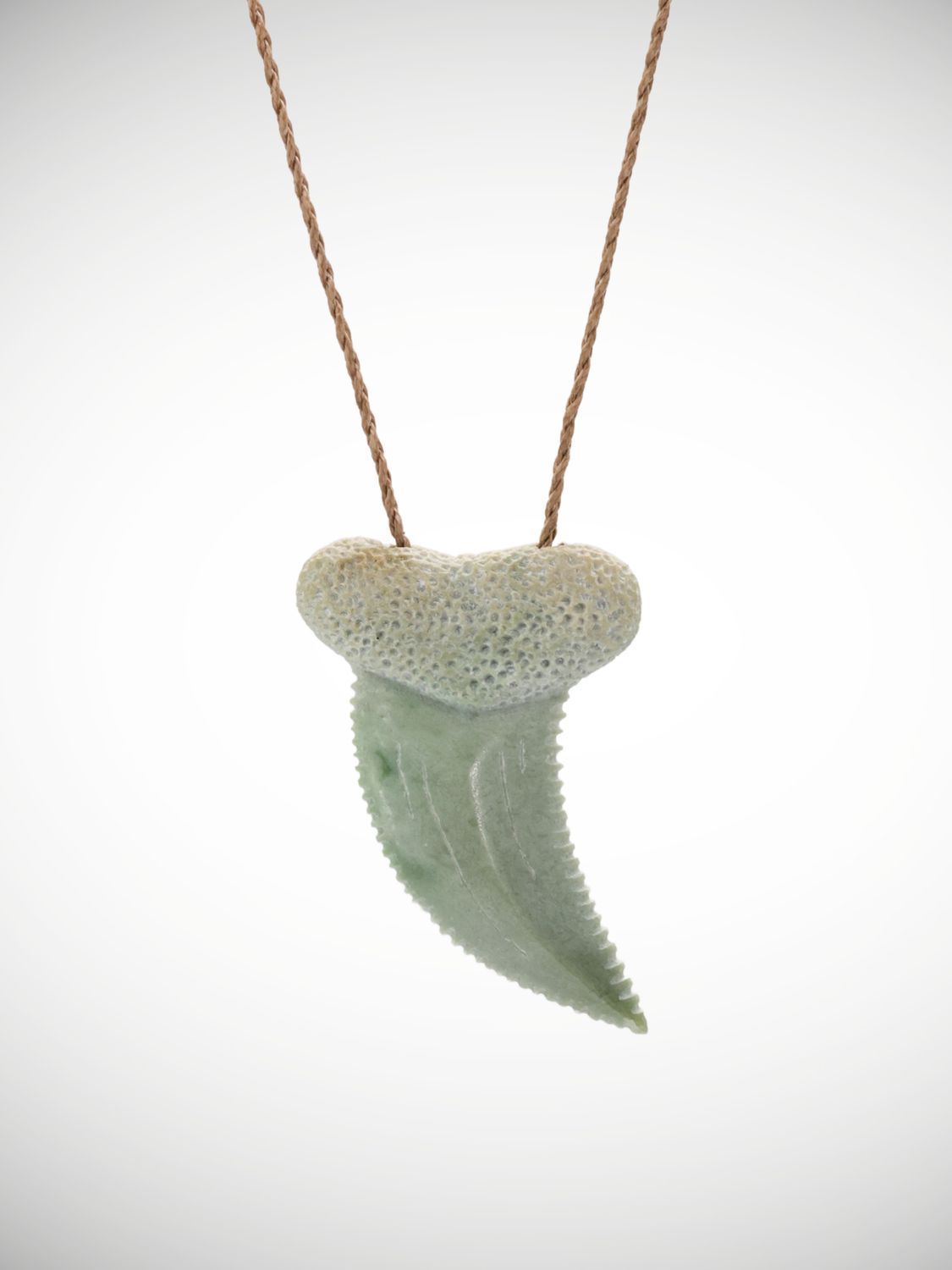
Rei Niho or Rei Paraoa (Whale Tooth)
Carved from whale tooth or bone, the Rei Niho carries immense mana (prestige). Worn by chiefs as a mark of status, it embodies strength, authority, and wisdom drawn from Tangaroa, the god of the sea. It honours the whale as a kaitiaki (guardian), representing leadership, courage, and respect for the ocean.
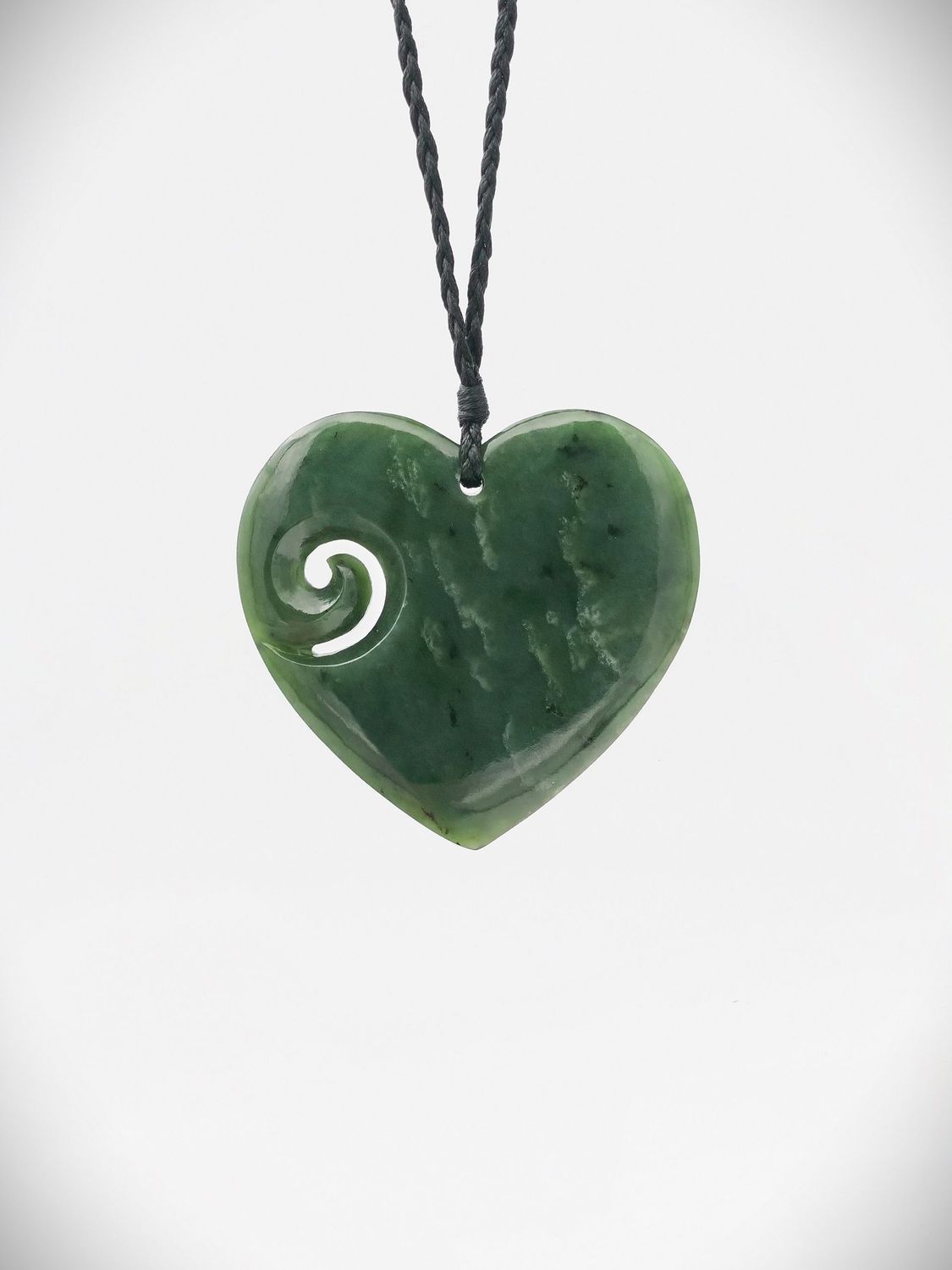
Manawa (Heart)
The Heart pendant represents love in all its forms: romantic, family and enduring. It symbolises deep connection and the unspoken bond between people. Gifted to a partner, family member, or close friend, or worn in remembrance, it is a timeless expression of aroha (love), care, and appreciation.
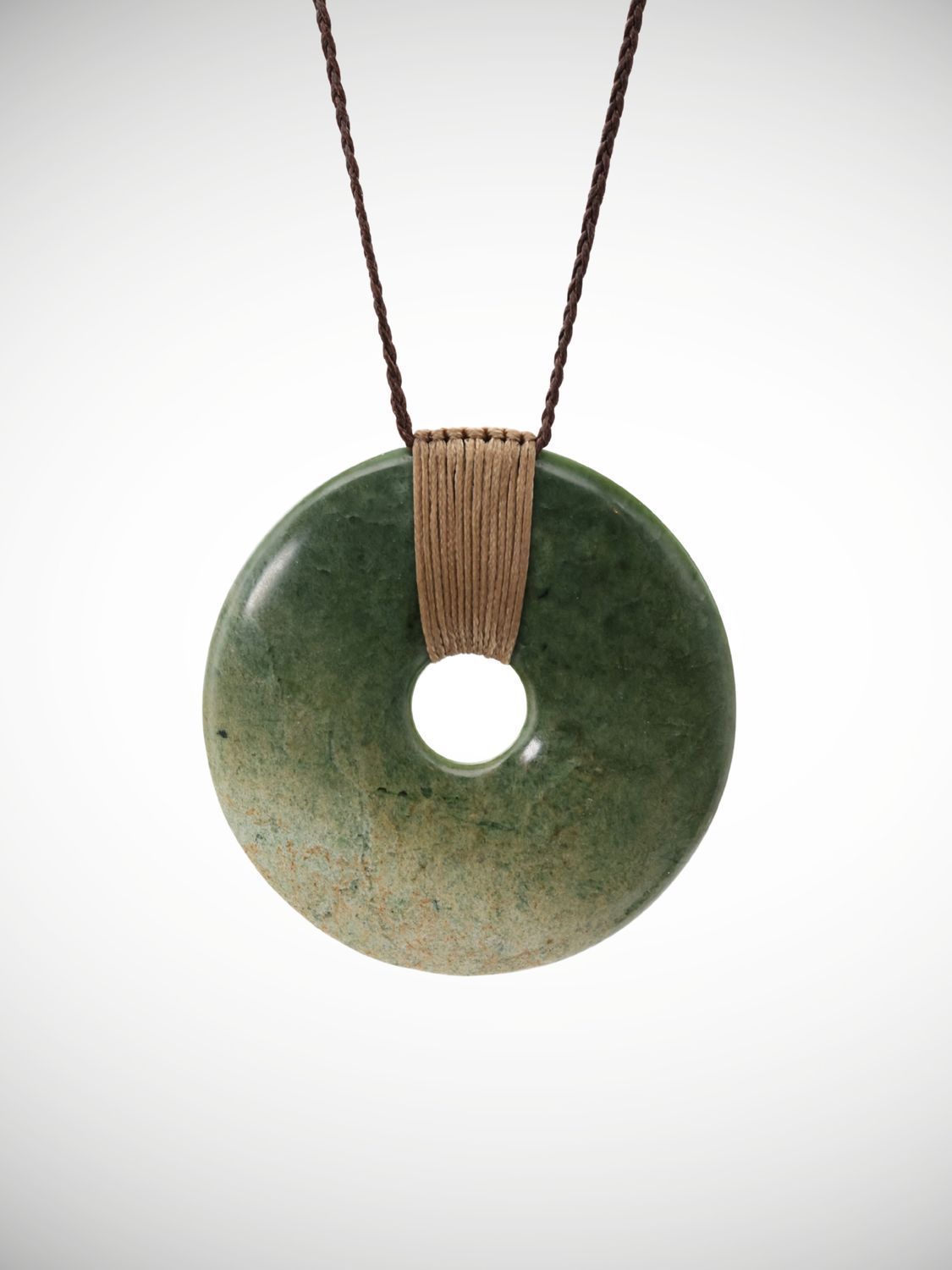
Porohita (Disc)
The Porohita, or disc, represents the circle of life: a form without beginning or end. It symbolises the cycles of time, seasons, and renewal, where every ending is a new beginning. It embodies energy, balance, and protection, often seen as a spiritual shield that creates harmony and guards against negativity.
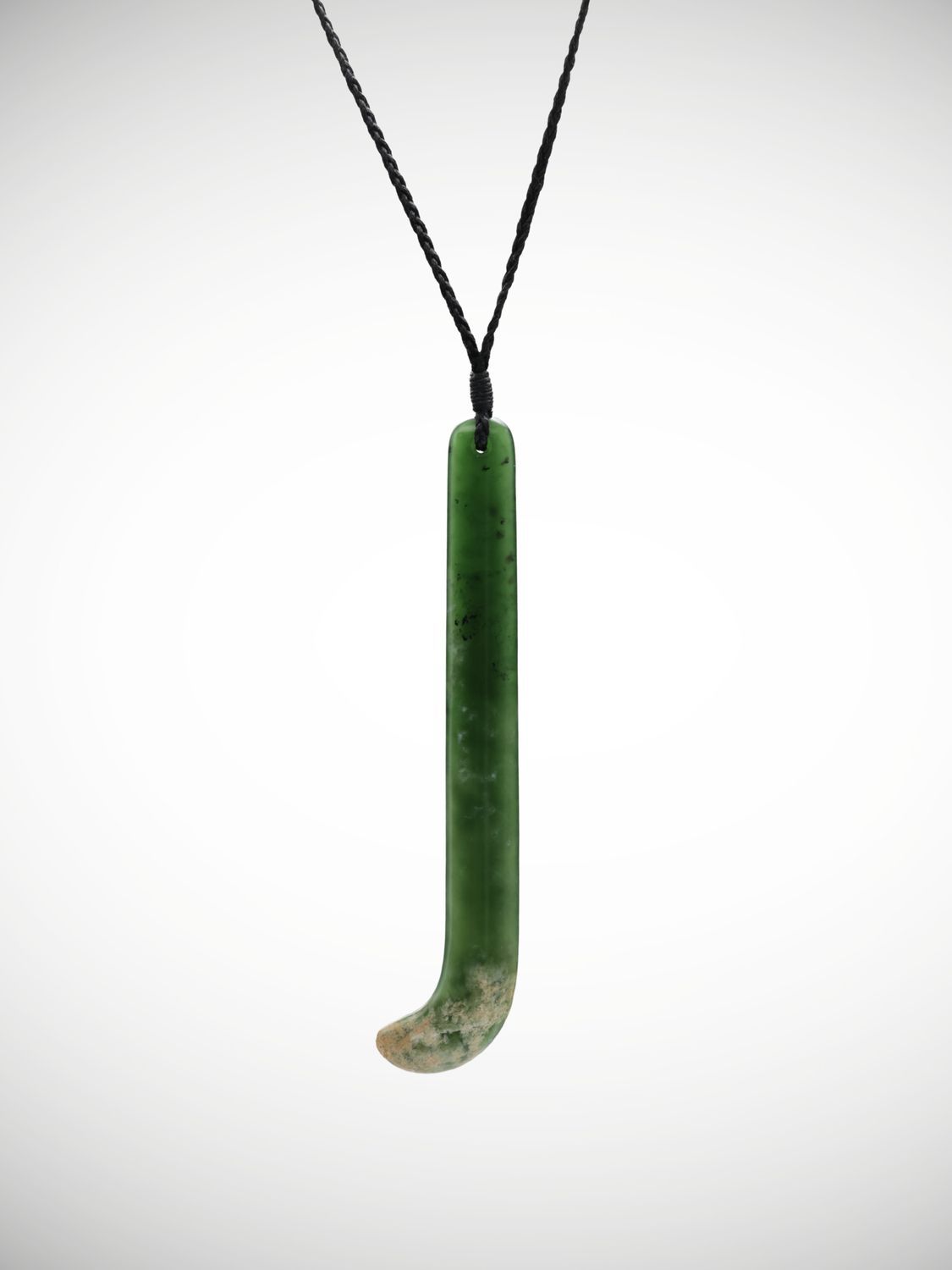
Kapeu
The Kapeu, with its elegant, softly curved form, traditionally signified high rank and status. Traditionally worn as an earring by chiefs and orators, it symbolises wisdom, communication, and the art of storytelling. It represents the flow of knowledge and the power of words to inspire and unite, reminding us that true strength lies in understanding.
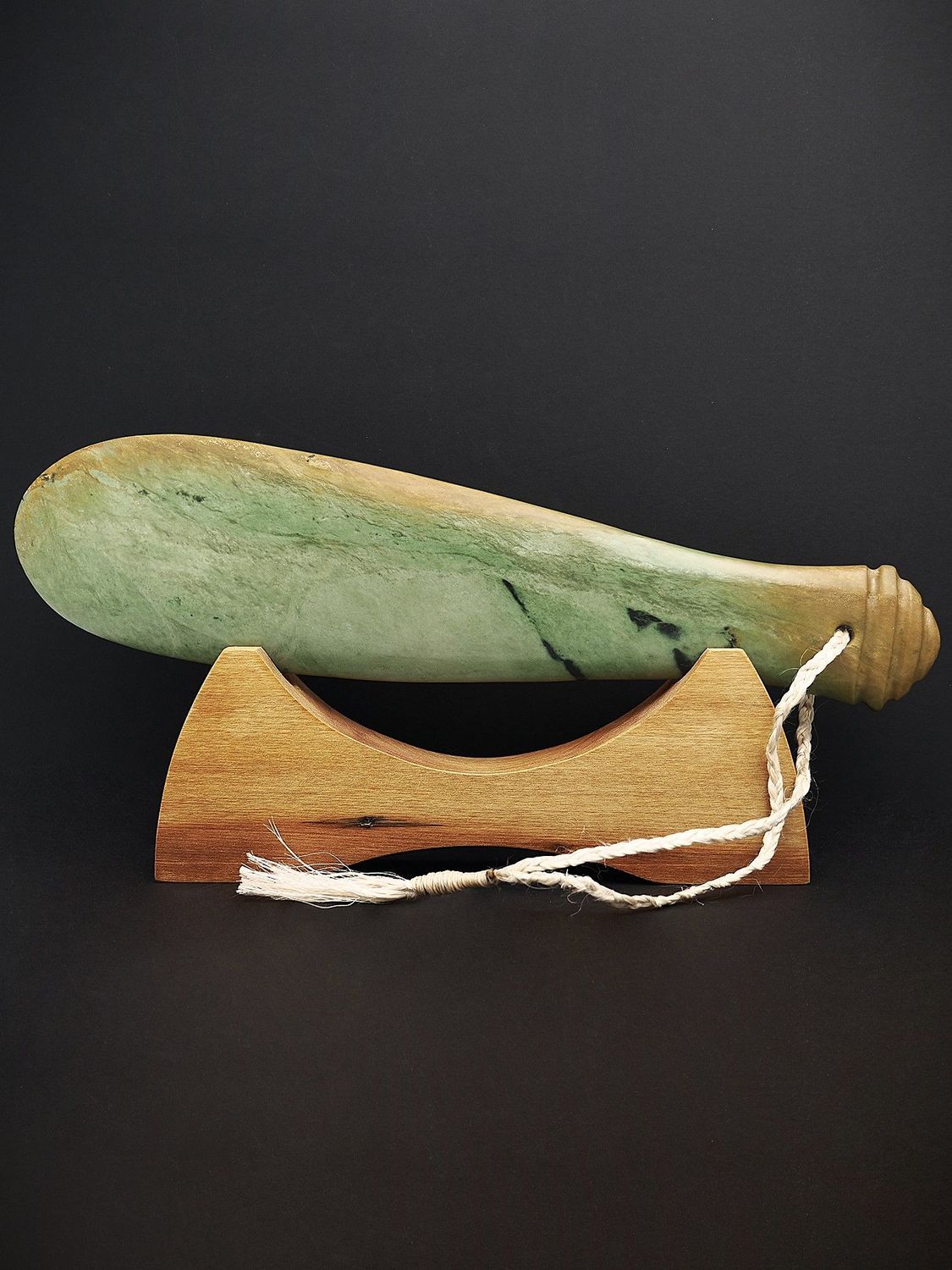
Mere
The Mere is a Māori short-handled weapon, traditionally crafted from pounamu. It is distinguished by its tear-drop shape, a sharpened edge, and a hole for a wrist cord. As a close-combat weapon, it was a symbol of authority, strength, and prestige. Today, a Mere carries this legacy and embodies the concept of mana, connecting the owner to the resolve and heritage of Māori warriors.
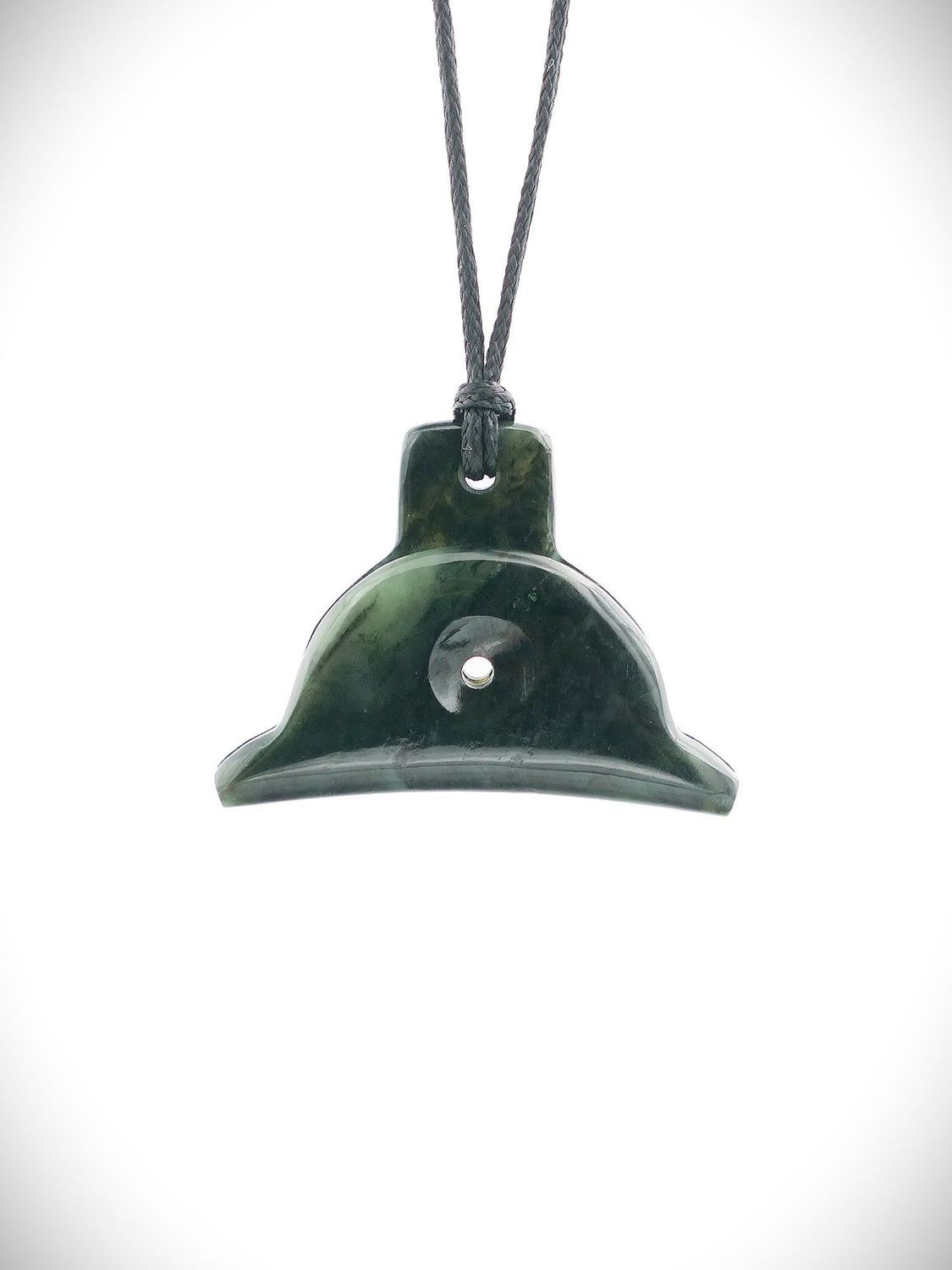
Shepherd's Whistle (Whiowhio)
The Shepherd's Whistle has guided flocks across Aotearoa's hills since the 1800s. More than a practical tool, it stands as a symbol of connection, communication, and tradition. Its clear tone represents unity and understanding, a call that connects people across distance, honouring the bond between farmers, their dogs, and the land.
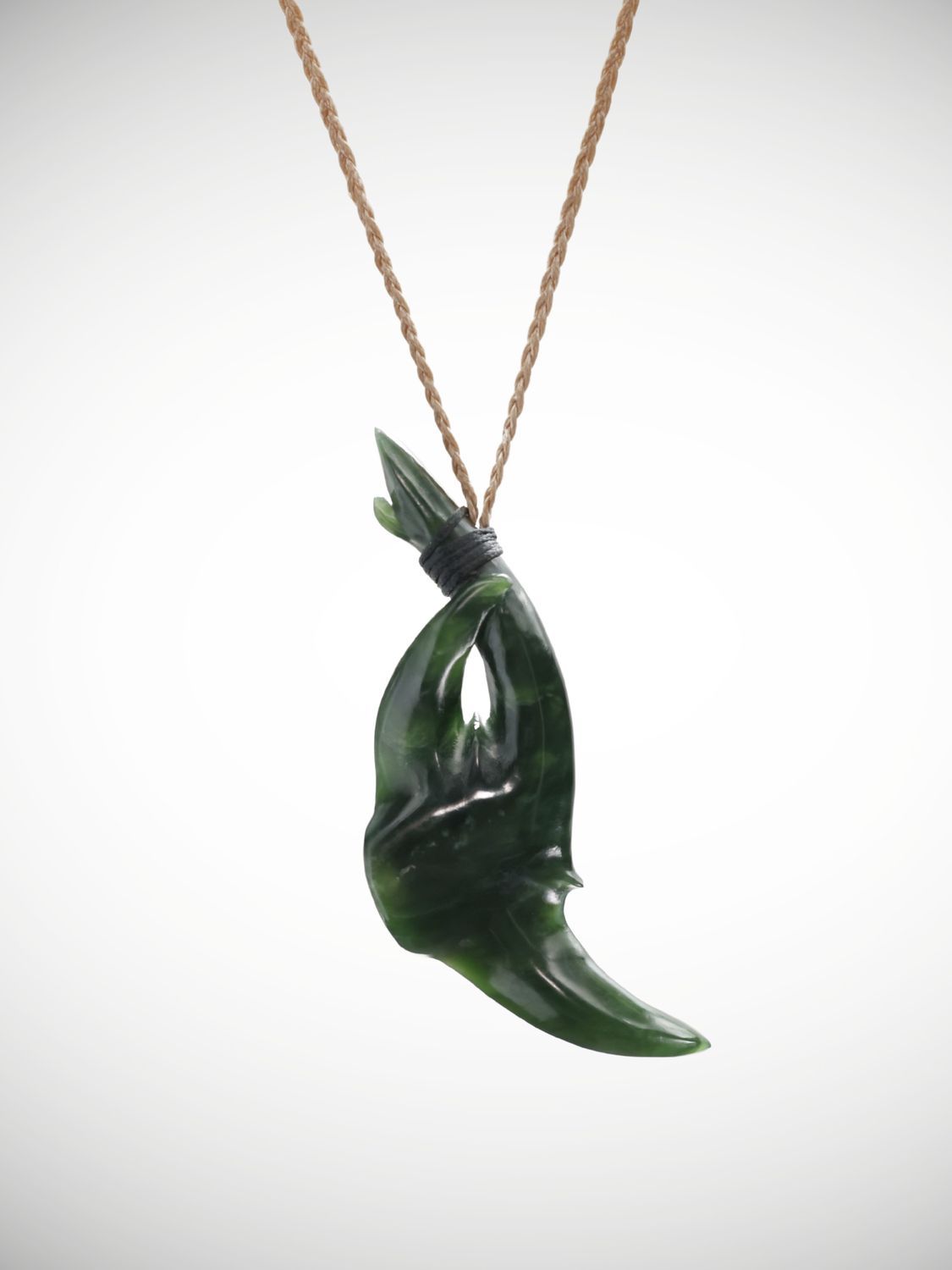
Manta Ray (Te Whai Rahi)
The Manta Ray is revered as a guardian of the ocean depths. Its graceful, gliding movement symbolises protection, awareness, and spiritual balance. In Māori belief, it moves freely between realms as a kaitiaki, guiding and protecting those connected to the sea. Its calm presence conceals a gentle yet formidable strength.
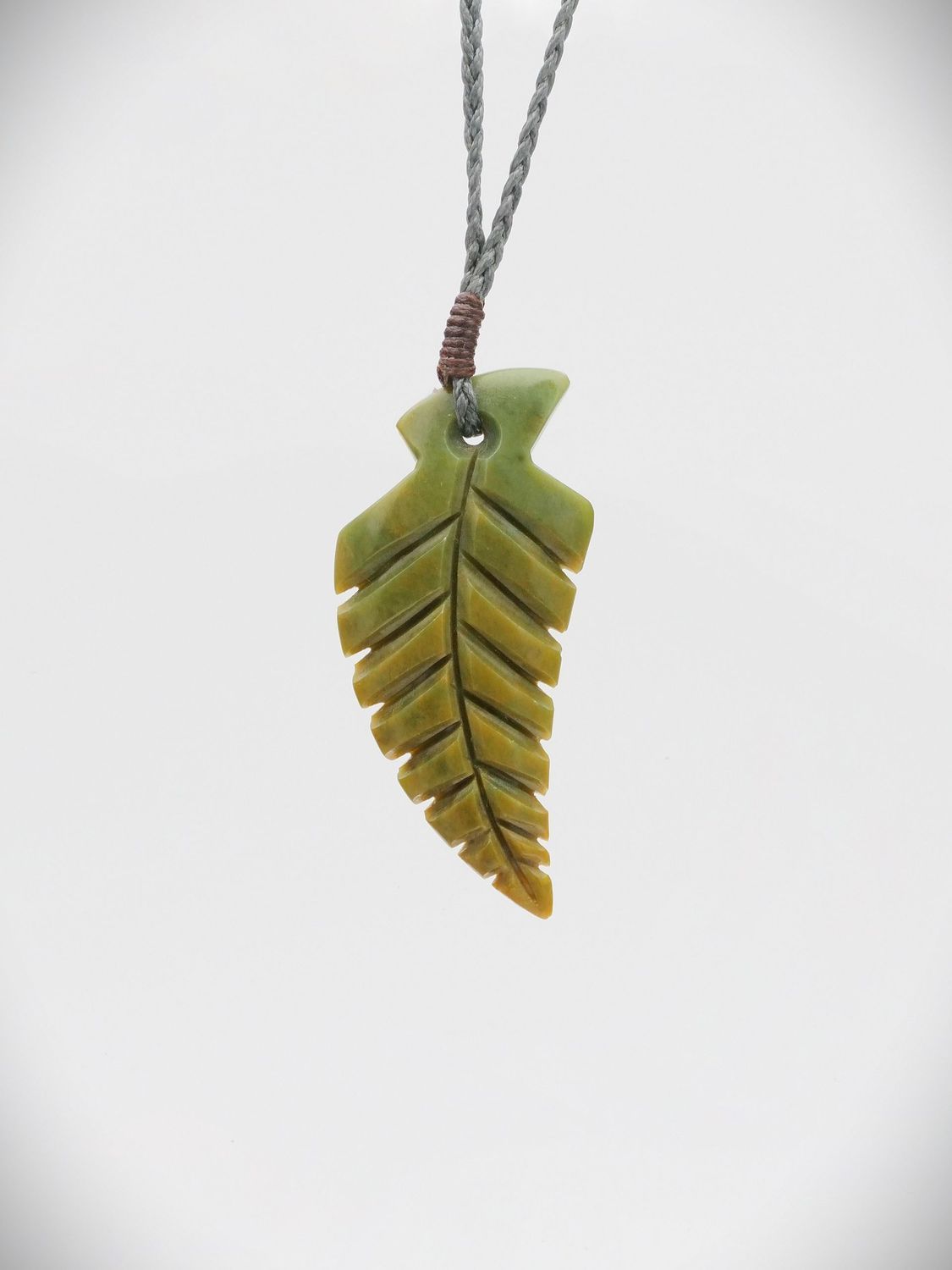
Silver Fern (Ponga)
The Silver Fern is a treasured emblem of Aotearoa. The unfolding fronds symbolise new beginnings, resilience, and national pride. It represents the journey of life: renewal, perseverance, and the strength to grow through change. When carved in pounamu, it connects the wearer to the land and enduring spirit of the country.
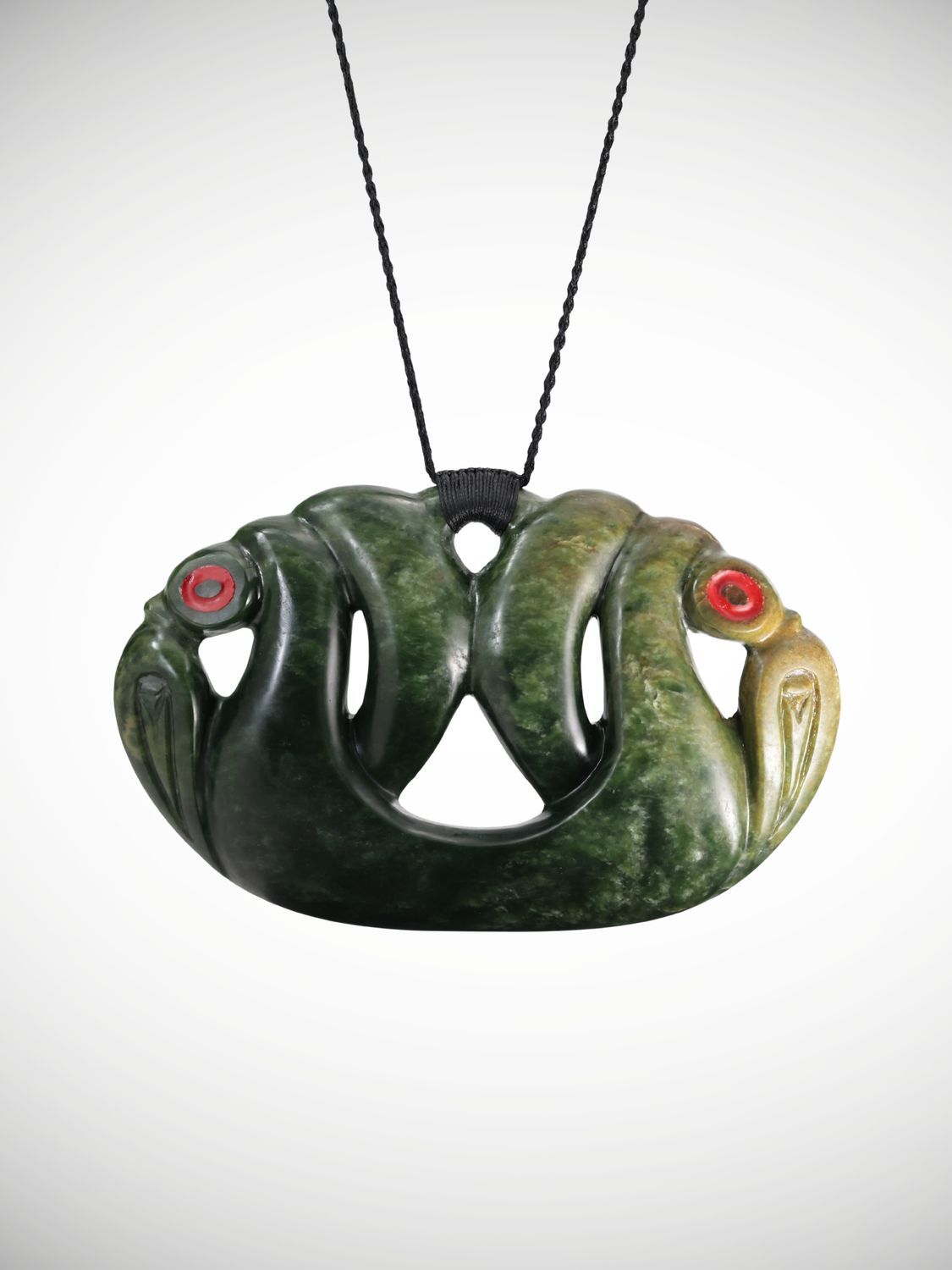
Pekapeka - NZ Bat
Peka Peka is a very old Māori Design representing a Native NZ bat, it is often classed as a Manaia, which are traditionally believed to be the messenger between the earthly world of mortals and the domain of the spirits, and its symbol is used as a guardian against evil.
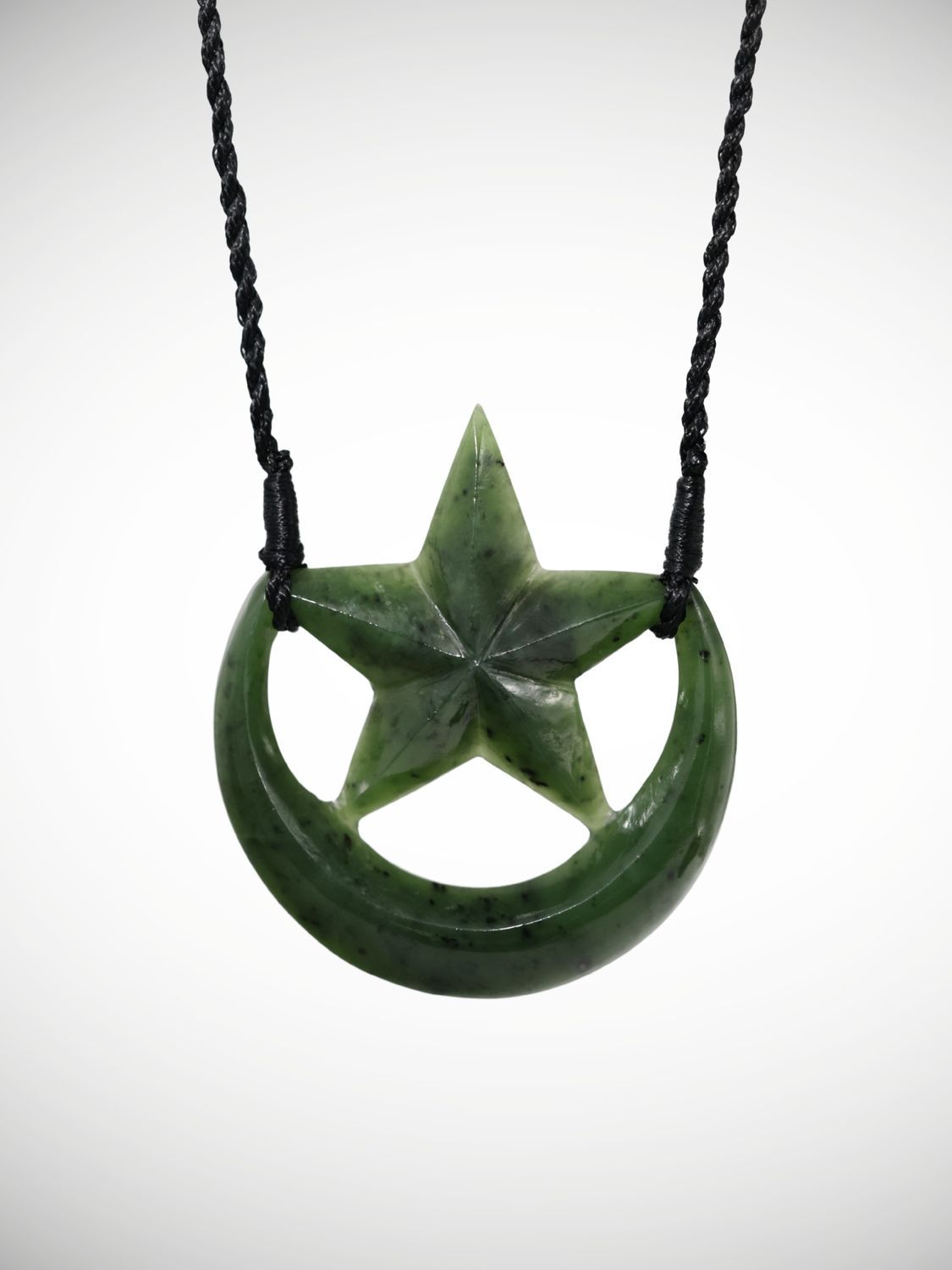
Rātana Star (Whetū Rātana)
The Rātana Star is a five-pointed star sacred to the Rātana faith. It symbolises divine light, faith, and guidance. It represents the presence of Ihoa (Jehovah) and embodies the values of unity, enlightenment, and spiritual strength. It is a taonga of both deep spiritual significance and cultural pride.
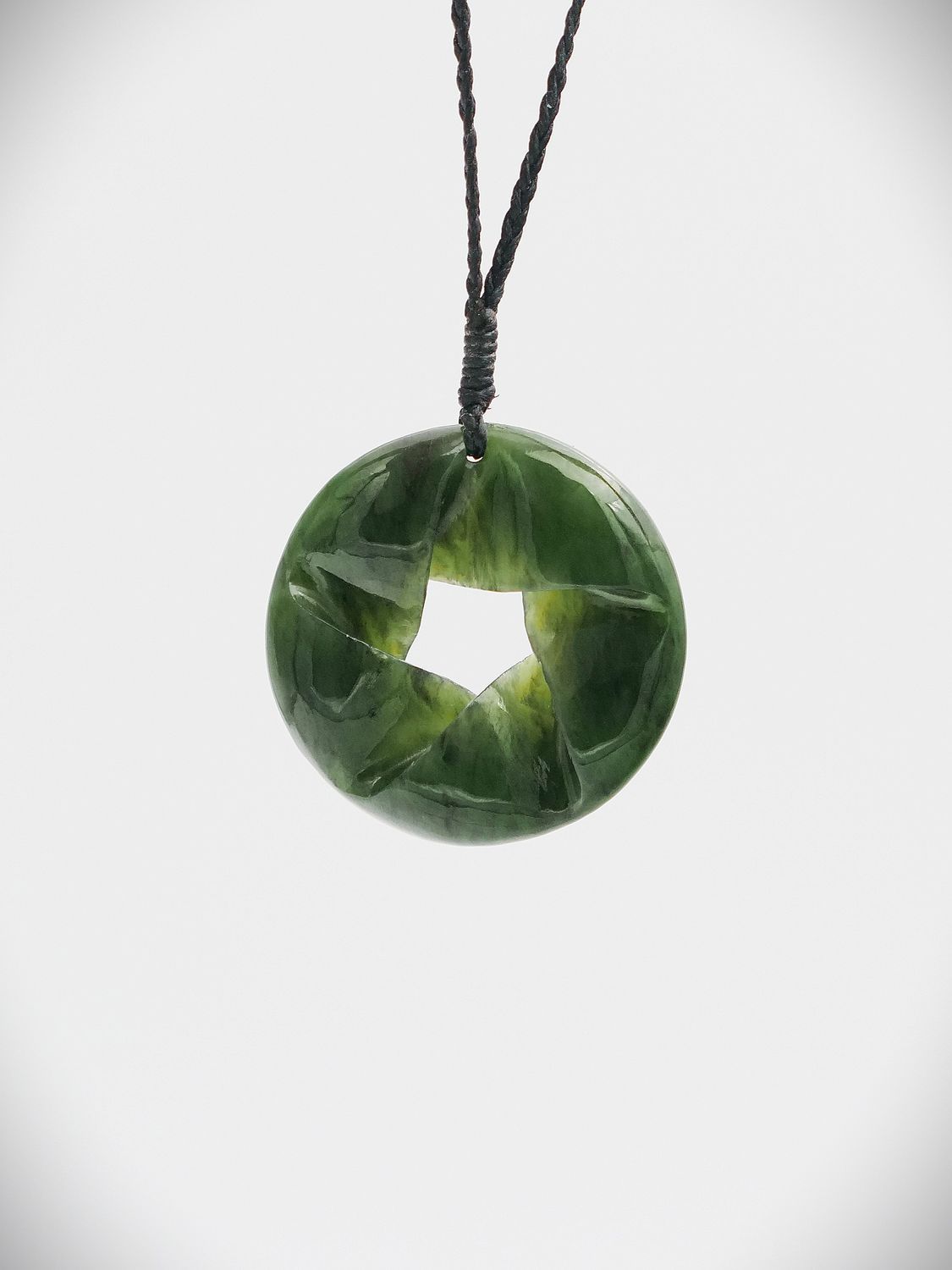
Matariki
Matariki is the Māori name for the Pleiades star cluster. Its rising in the Southern Hemisphere’s midwinter marks the Māori New Year, a time of remembrance, celebration, and renewal. It is a moment to honour whānau past and present, reflect on the year gone by, and set hopes for the season ahead - a symbol of hope and connection beneath the winter sky.
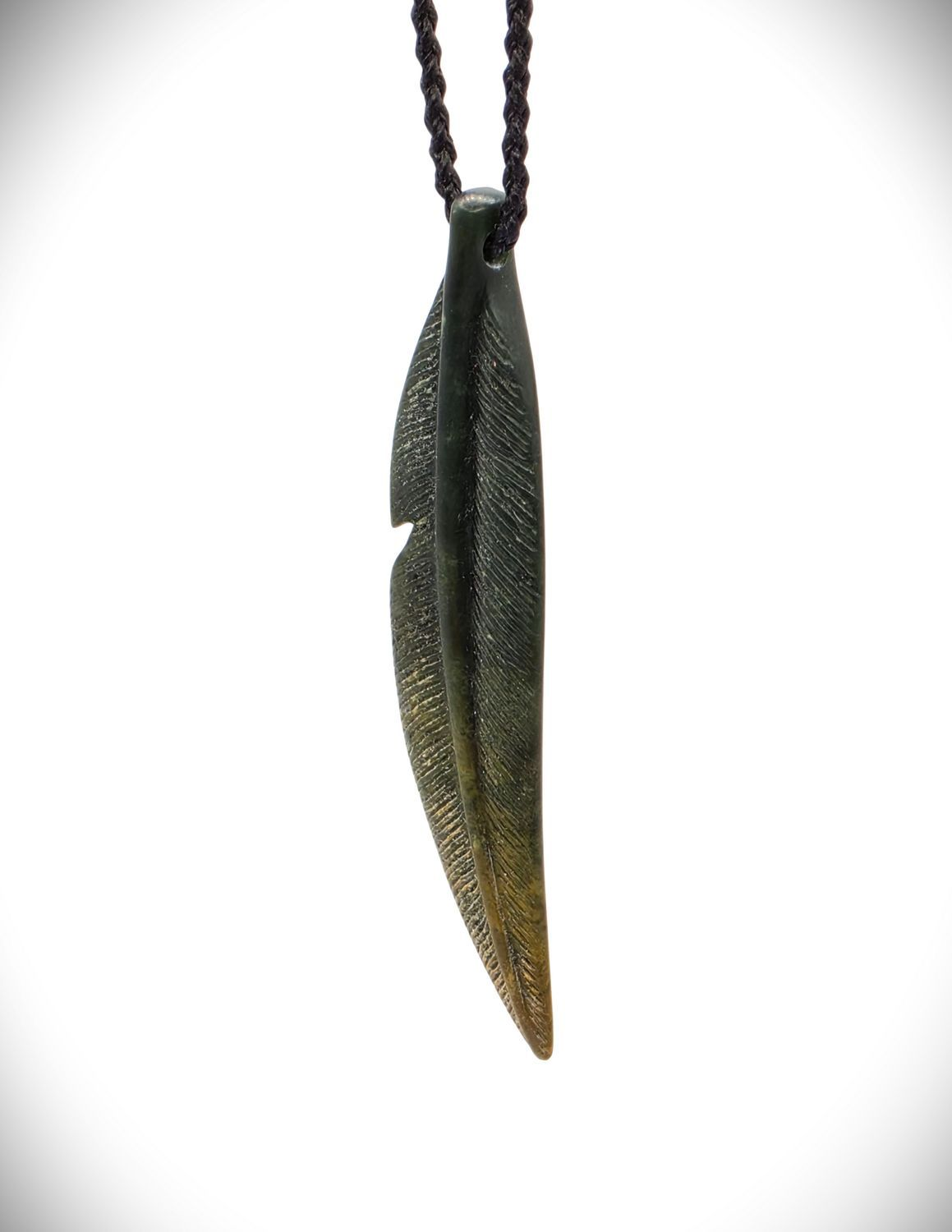
Huru (Feather)
Huru – Feathers are highly significant, symbolizing status, connection to ancestors, and the spiritual world, used in prestigious items like the kahu huruhuru (feather cloak) for chiefs, with specific birds like the huia (now extinct) and kiwi holding immense cultural value, representing mana, leadership, and lineage, woven into cloaks for important occasions and ceremonies.
Status & Mana: Feathers from rare and beautiful birds denoted high rank and spiritual power (mana).
Spiritual Connection: Birds are messengers from the spiritual realm, and their feathers carry blessings and ancestral wisdom.
Identity: The selection and arrangement of feathers in cloaks (korowai) represent lineage, family, and tribal identity.
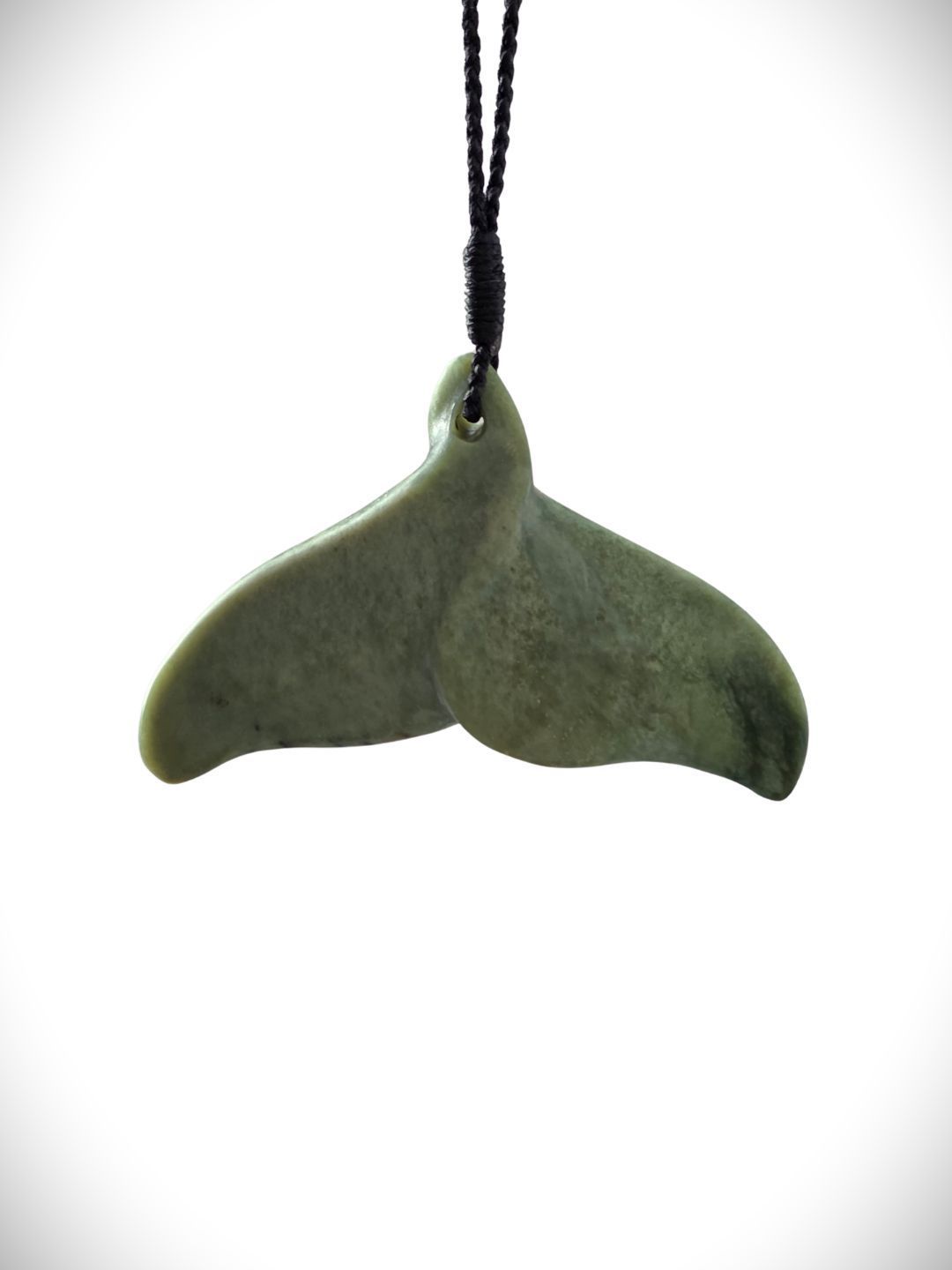
Whale Tail - Muri Paraoa
Whale Tail - Muri Paraoa - meaning speed and strength. The Whale Tail represents the support often shown by dolphins and whales to humans in distress, therefore a symbol of protection. It expresses the respect for the sea and nature thus a symbol of good luck, providing safe passage over water. The Whale was the most important animal in the life of the Maori. Besides speed and strength, it also represents success, confidence, sensitivity, and the bond between animal and human.
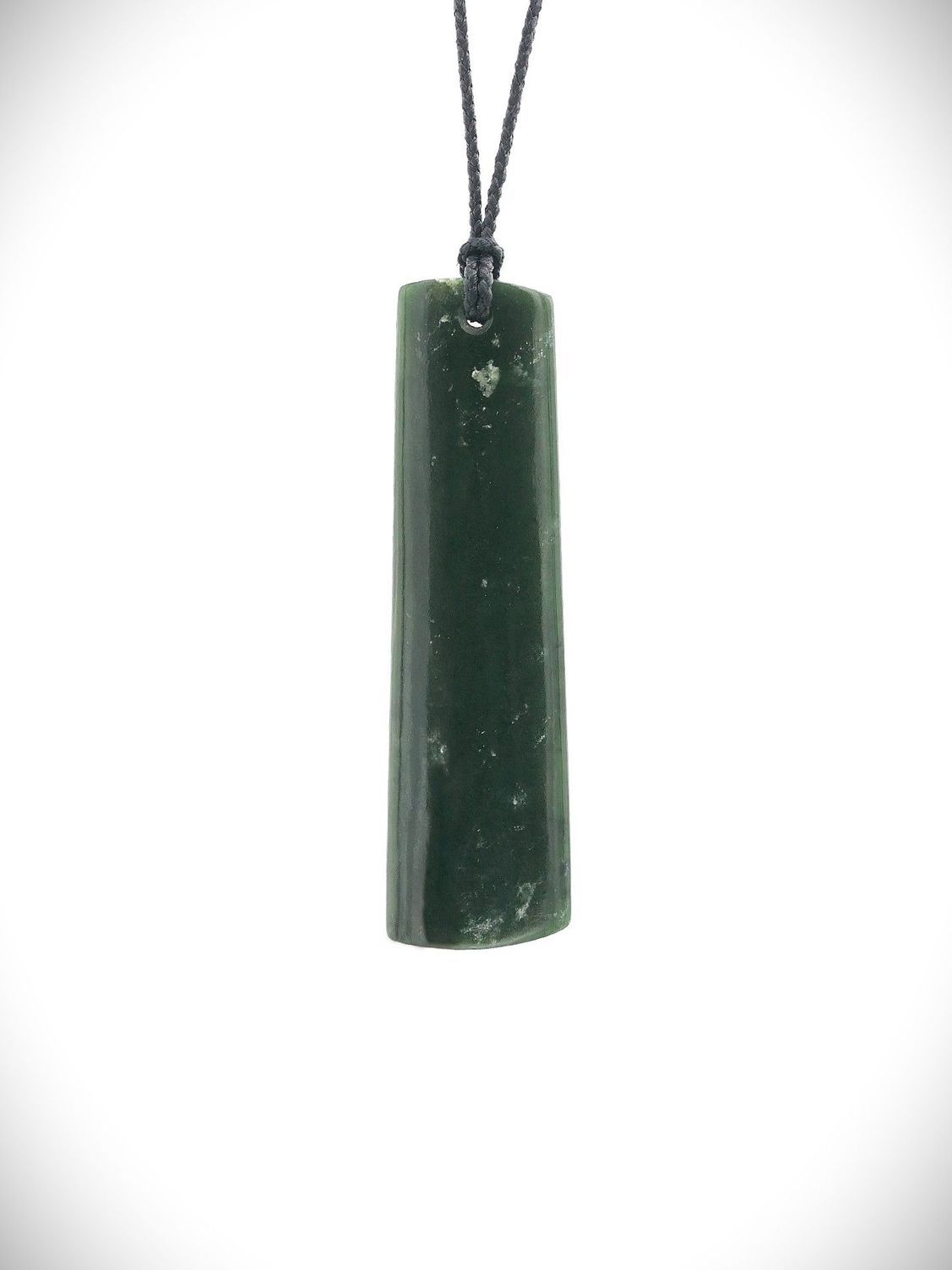
Kuru (Drop)
Kuru/Drop - Drop pendants are regarded as touch stones for meditation and representing a connection to the whenua (the land) Aotearoa (New Zealand). The Kuru design is a simple slender length of pounamu worn to encourage knowledge, confidence and independence.
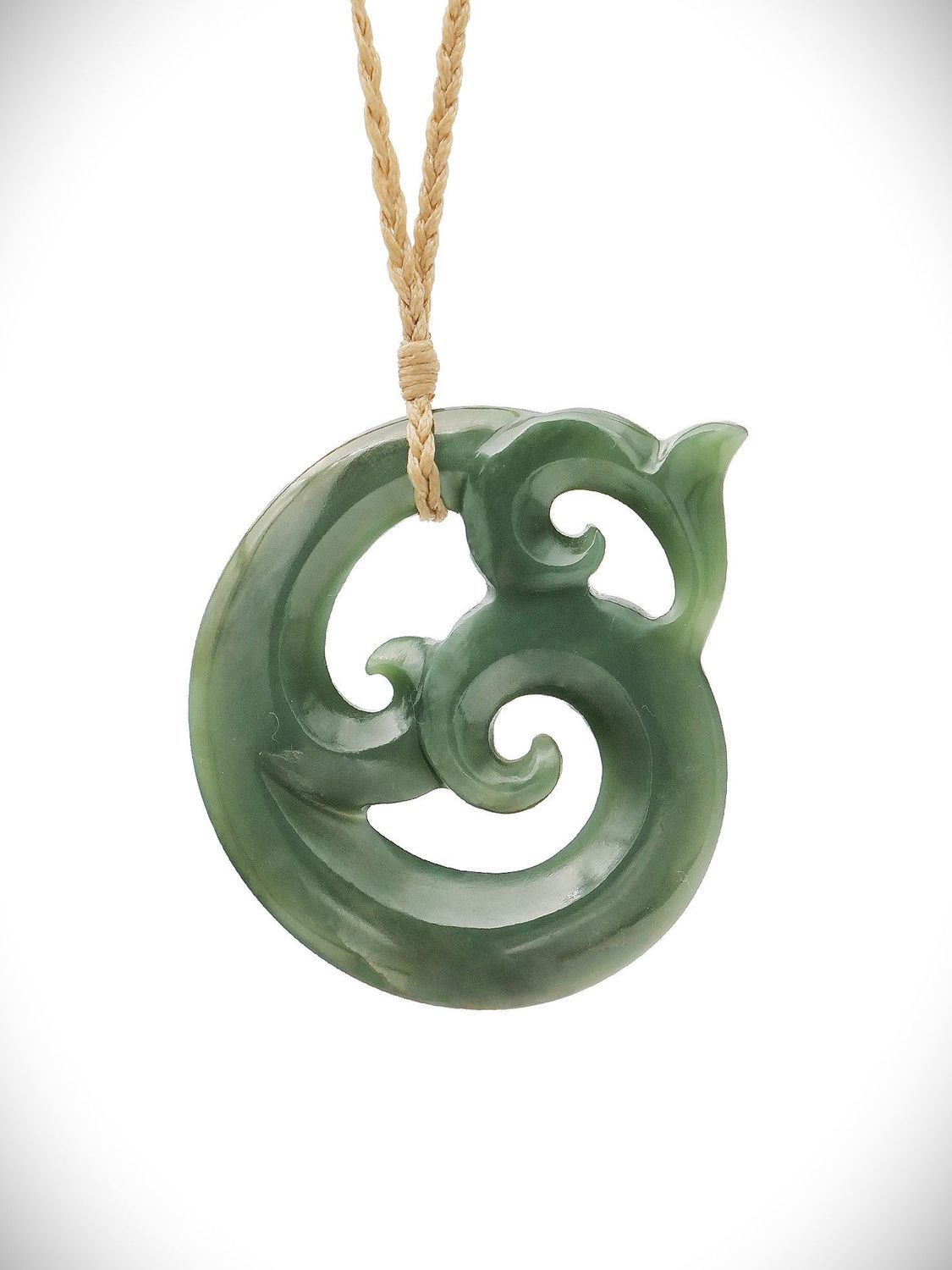
Koropepe NZ Eel
Koropepe is a mythical being in the shape of an eel, (an important food source for pre-European Maori).It also represents that of a grandfather and has a spiritual meaning of guardianship and warding off evil. The Koru, the curling part of this carving, represents an unfurling new fern shoot, new beginnings, hope, personal growth, purity nurturing, a new phase in life, the spirit of rejuvenation and peace, that of a new Mokopuna (grandchild).Together they form a strong spiritual force for good.
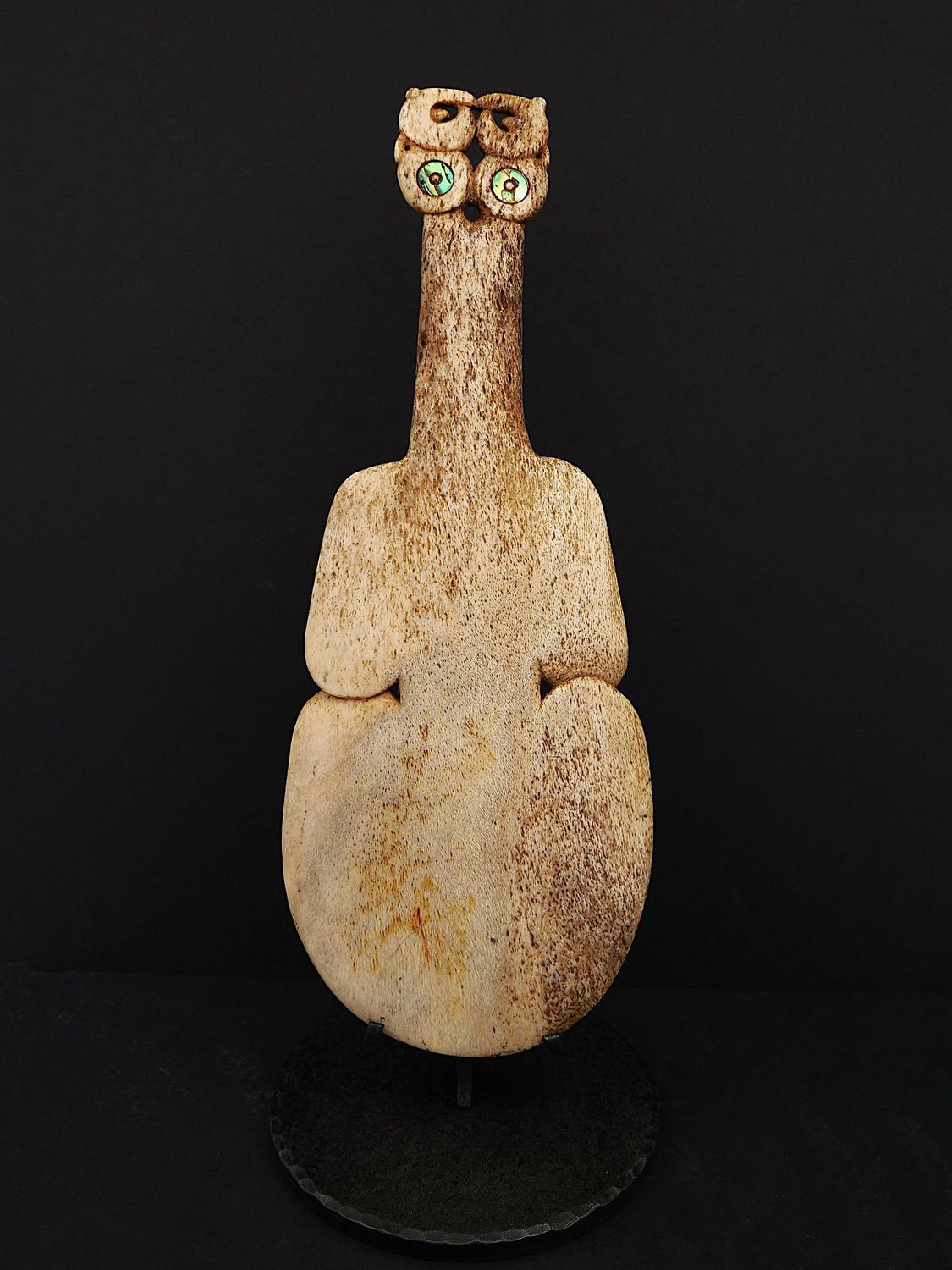
Patu
Mere or Patu is a type of short, broad-bladed weapon in the shape of an enlarged tear drop. It was used to strike/jab an opponent in the body or the head. The Mere signifies high status and gives the owner courage and strength. It is the same design as a Patu, but the difference is Patu are made of wood, stone, or whale bone whereas Mere are made of Greenstone Pounamu.
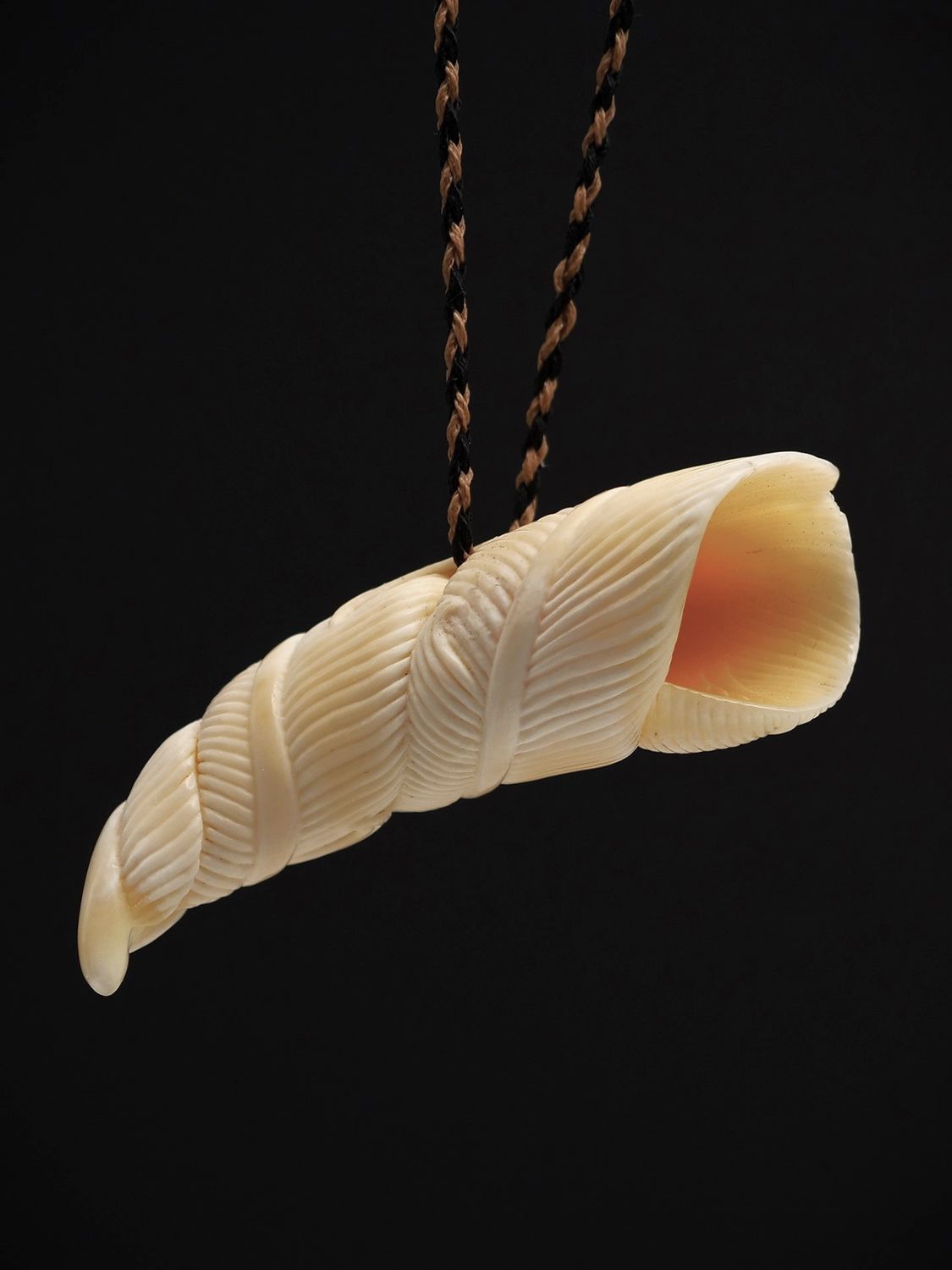
Rei Puta
Rei Puta are chiefly taonga traditionally carved from the teeth of Tohorā (whale). Rei Niho carved from pounamu maintains the beauty of the traditional form, symbolising the intimate connection between Maori and Tohorā.
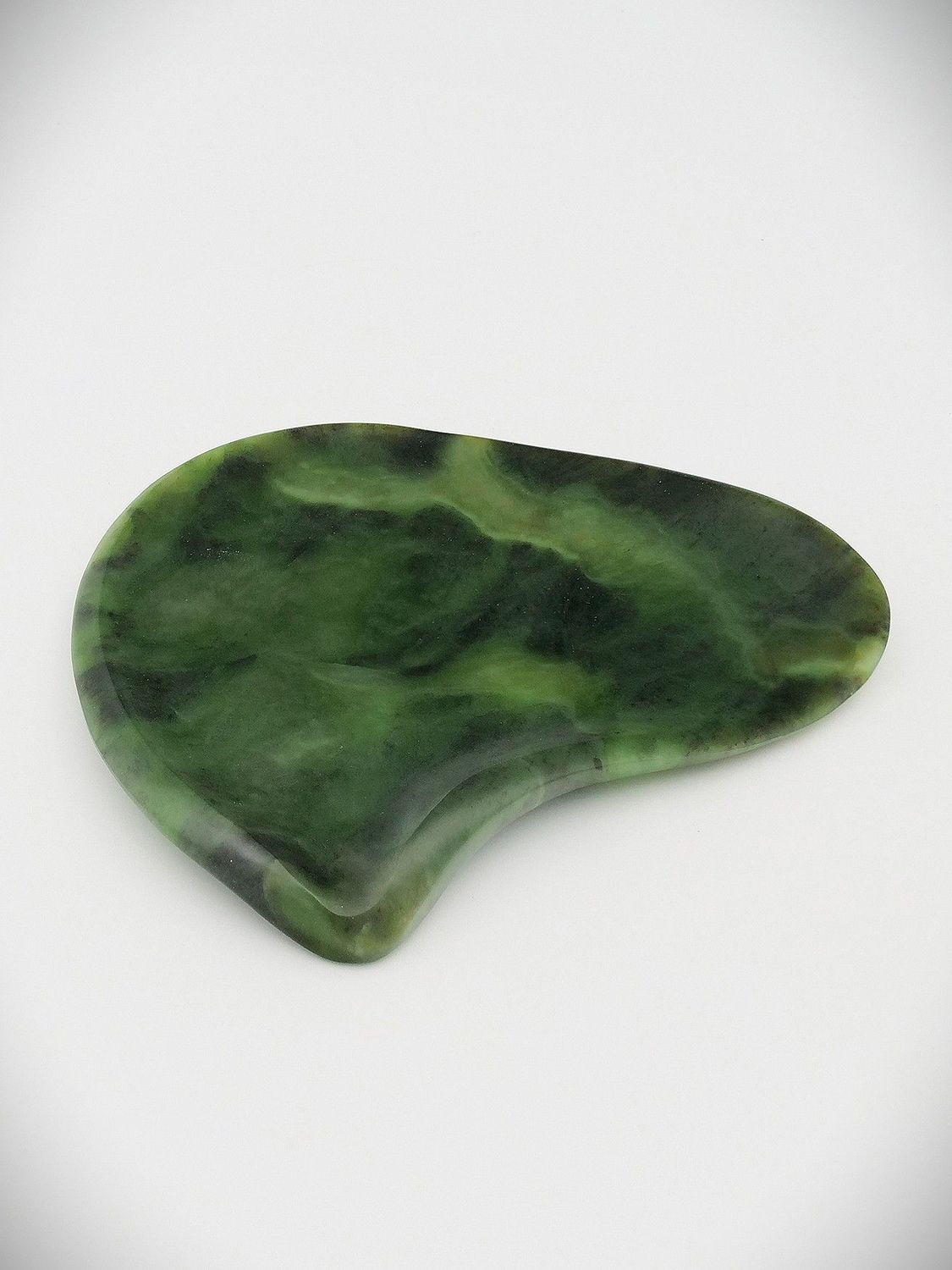
Ipu Kohatu
Ipu Kōhatu - Pounamu (greenstone) bowls, are exquisite, hand-carved taonga (treasures) crafted from New Zealand nephrite jade, often used for display, holding small treasures, or ceremonial purposes. Hand carved from South Island pounamu (mostly Kawakawa or Tangiwai), these bowls are shaped using diamond-tipped tools or traditional grinding techniques, often polished to highlight the stone's natural beauty and veining.
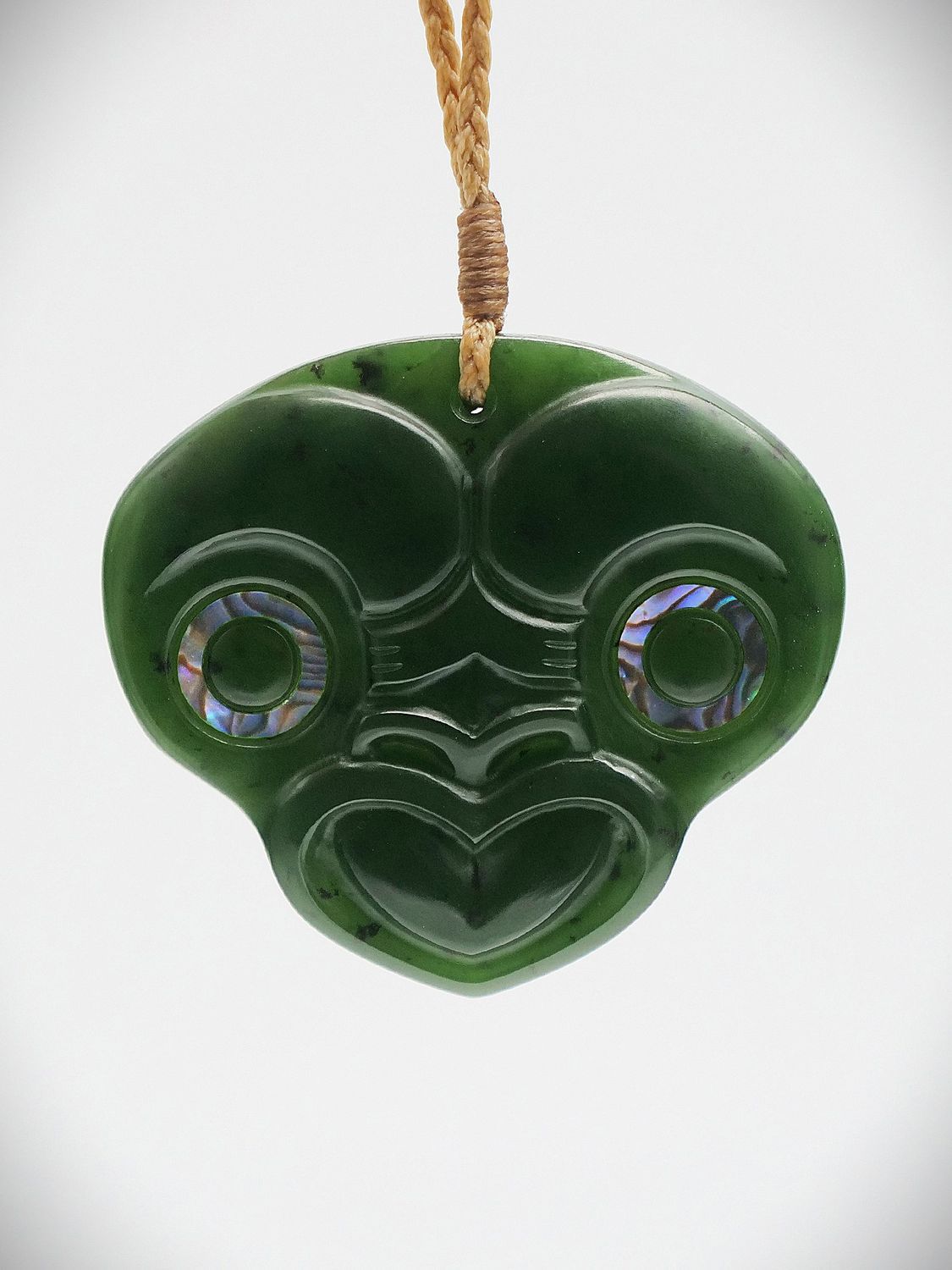
Koruru
Koruru are architectural features on large whare tupuna or wharenui (meeting houses) that join the two-front facing maihi (barge boards) at the top apex. A koruru's face is also the face of the represented tupuna (ancestor) embodied in the carved constructed form of the whare tupuna. Many whare whakairo are named after ancestors. The building is regarded as an outstretched body. The koruru (gable head) is the face of the ancestor, the maihi (bargeboards) the arms, the kūwaha (door) the mouth, the tāhuhu (ridgepole) the spine, and the heke (rafters) the ribs.
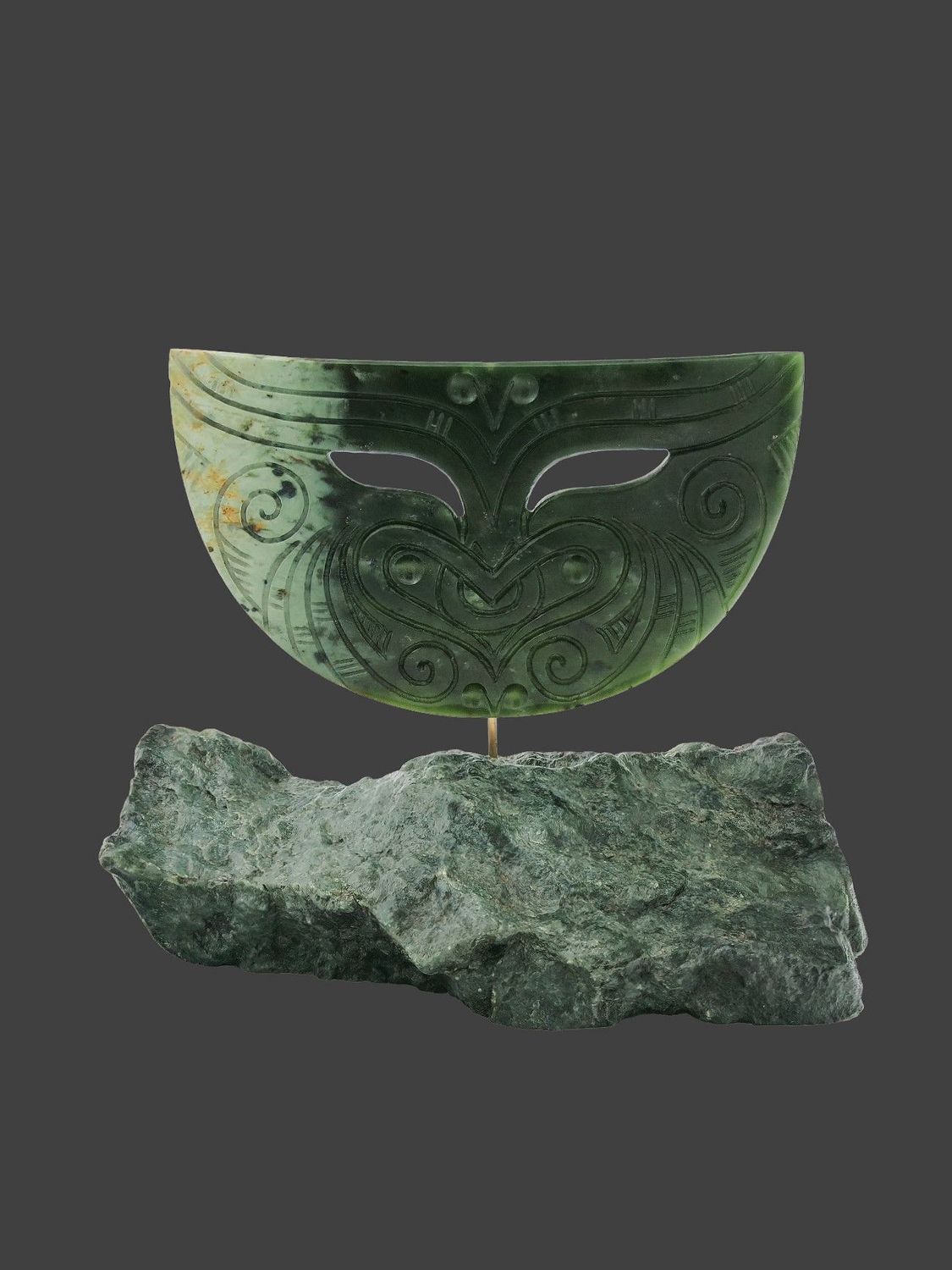
Moko Kanohi
Moko Kanohi refers to traditional Māori facial tattoos, a sacred art form that signifies a person's lineage (whakapapa), status, tribal affiliations (hapu), and history, acting as a visual genealogy and identity marker for both men and women, with men often getting full facial moko detailing their rank, work, and marital status, while women receive moko kauae (chin tattoos) to show their connection to family and leadership.
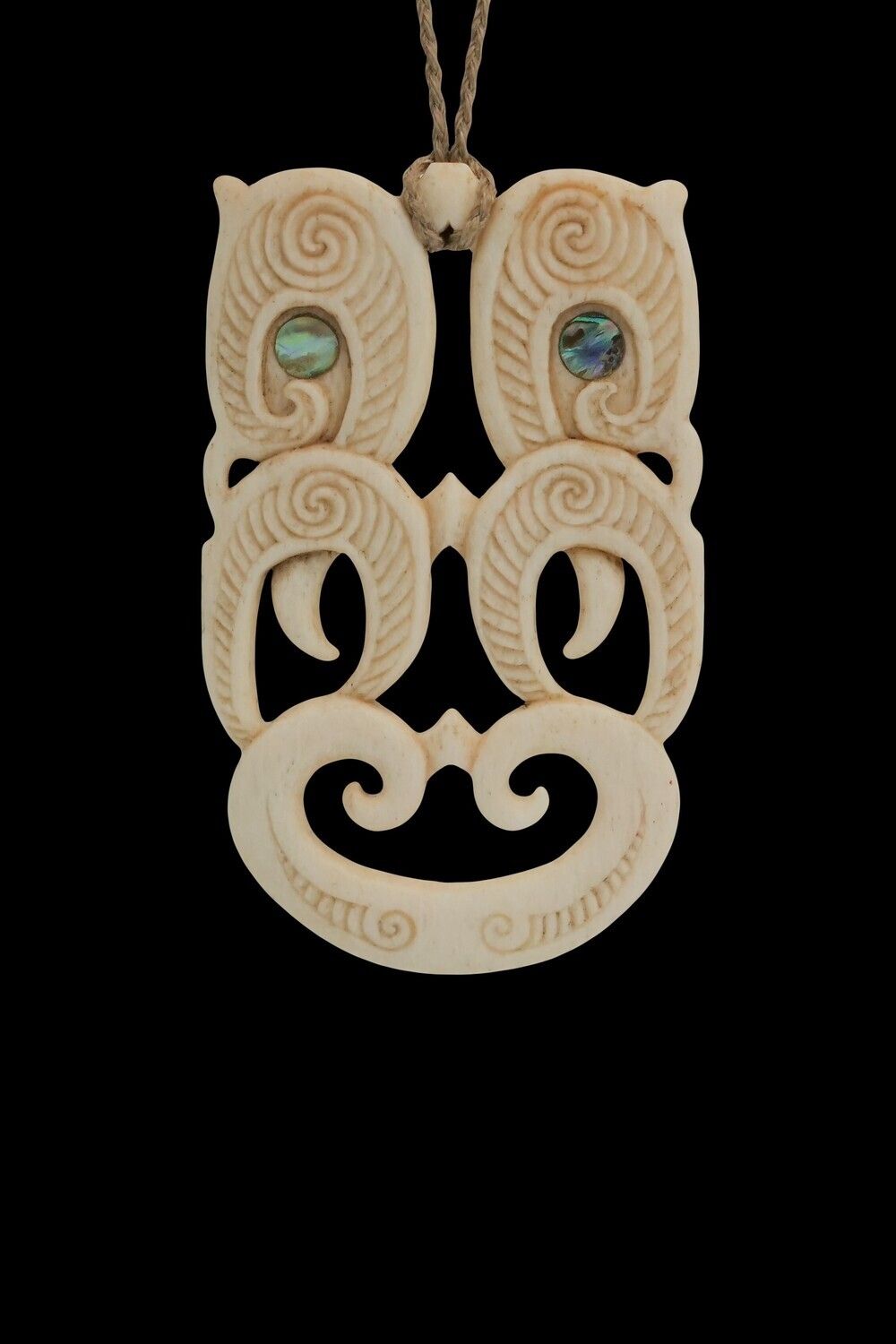
Moko Kauae
Moko kauae - are received by women on their lips and chin. A Moko Kauae represents a woman's whānau and leadership within her community, recognising her whakapapa, status, and abilities. It is a traditional taonga passed down over many generations from the ancestress Niwareka.
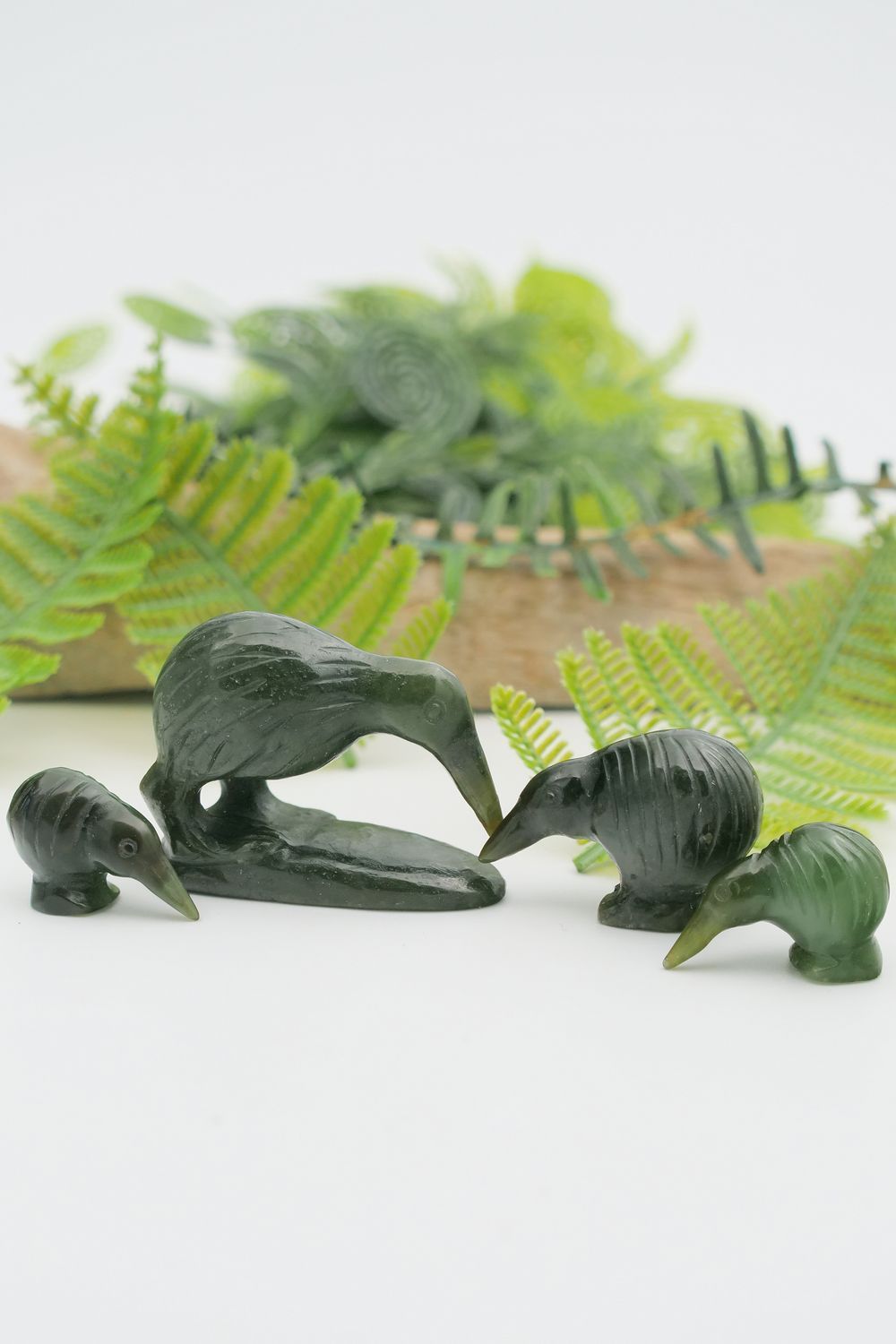
Kiwi
Kiwi are a significant national icon, equally cherished by all cultures in New Zealand. Kiwi are a symbol for the uniqueness of New Zealand wildlife and the value of our natural heritage.
The bird itself is a taonga (treasure) to Maori, who have strong cultural, spiritual and historic associations with kiwi. Its feathers are valued in weaving kahukiwi (kiwi feather cloak) for people of high rank.
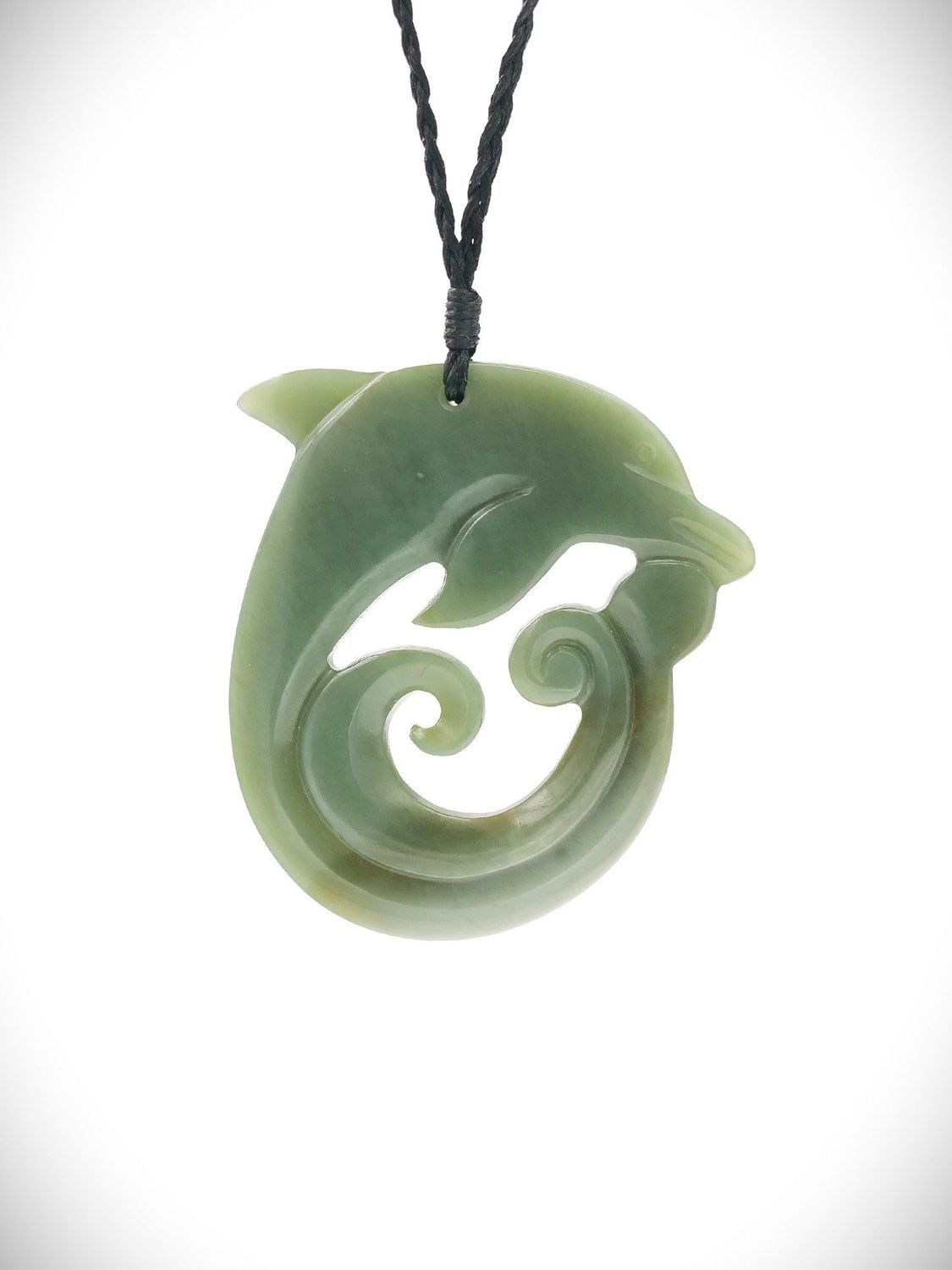
Aihe - Dolphin
Dolphin - represents a free spirit and symbolizes playfulness, harmony and friendship. Closeness to nature, especially the ocean. Maori revered dolphins, as they did whales – believing them to be water spirits. There are legendary tales telling of gods, who had taken the form of dolphins, guiding sailors through treacherous waterways to keep them safe.
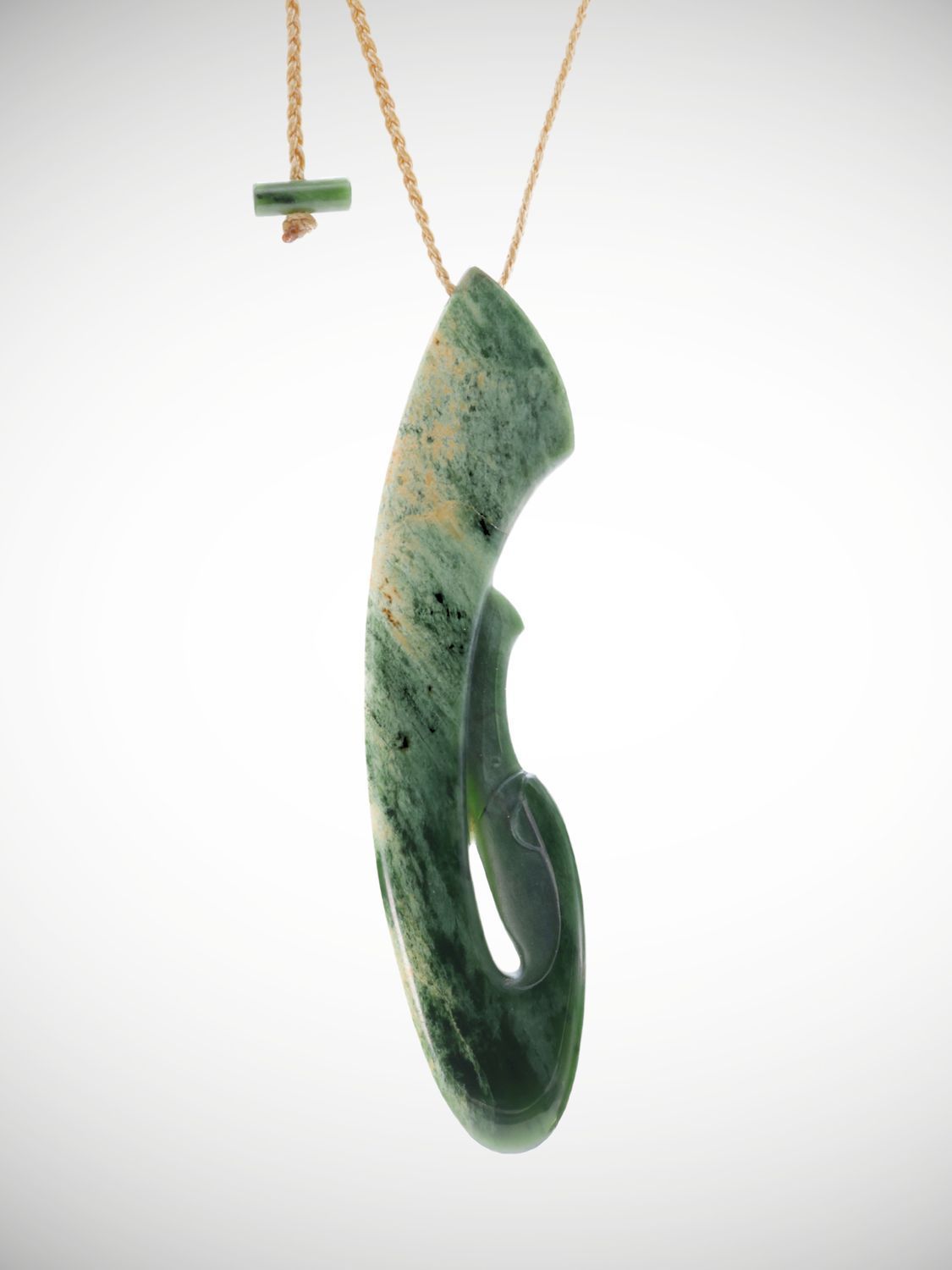
Toroa - Albatross
The toroa (albatross) is a sacred indicator of ecological health (mauri) in Māori tradition. As an apex seabird traversing vast oceans, its presence, population stability, and successful breeding reflect the vitality, balance, and spiritual resonance (wairua) of the marine ecosystems it inhabits
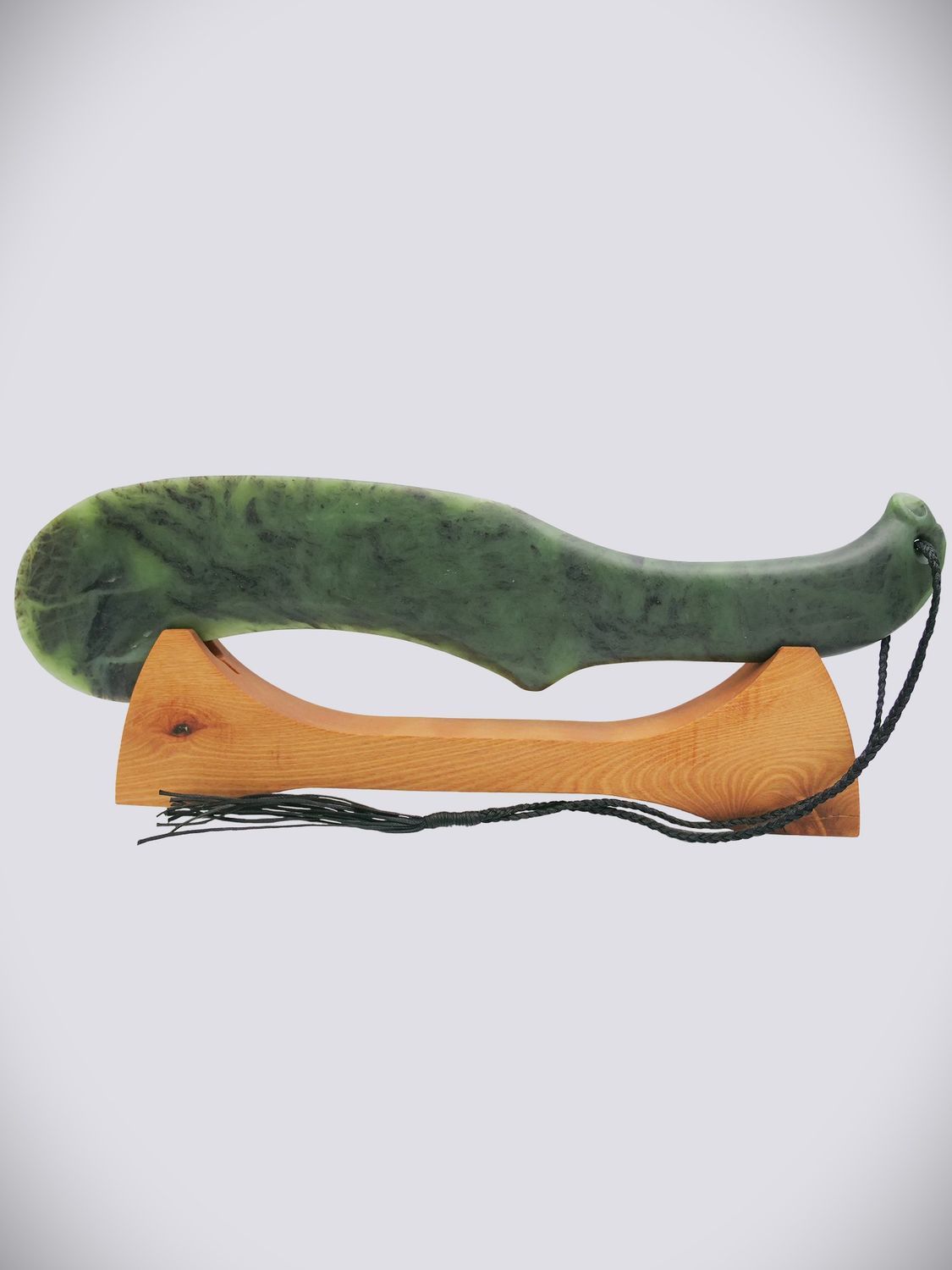
Waihaka
Wahaika - (roughly translated "the mouth of the fish") The carved figure on the edge represented a sacred ancestor or the god of war. The Wahaika was held so that the figure faced the warrior and looked over his shoulder to protect his back. The Maori people being fierce warriors used a wide range of hand weapons. The Wahaika is one of the many forms of fighting club used by Maori warriors and was reserved for only the highest ranking and most respected fighters. It is often given as a ceremonial piece on special occasions.
We hope this guide helps you to connect with the meaning of your pounamu.
Each piece is a link to the rich culture and stories of Aotearoa New Zealand.
To learn more about the journey of pounamu from mountain to masterpiece, feel free to explore our website.